

Social science was used in a state inquiry into social injustice. This includes a review of information services, analysis of policy and program outcomes, and identifying the social and economic impact of racial inequity.
Summary
- First Peoples are undertaking an inquiry on the injustices perpetuated by the State of Victoria
- I led the research team responding to information requests by the inquiry
- We used social science methods to deliver evidence. This includes analysis of policy issues and state programs
- Social science helped by providing a scientific and systematic way to deliver information, as well as policy advice, data review, and critical thinking on racial justice
Background
For the past year and a half, I have led a multidisciplinary research team for a state inquiry into social injustice imposed by the Victorian Government on Aboriginal and Torres Strait Islander people. I provide my personal reflections of how social science enabled our contribution to this historic inquiry.
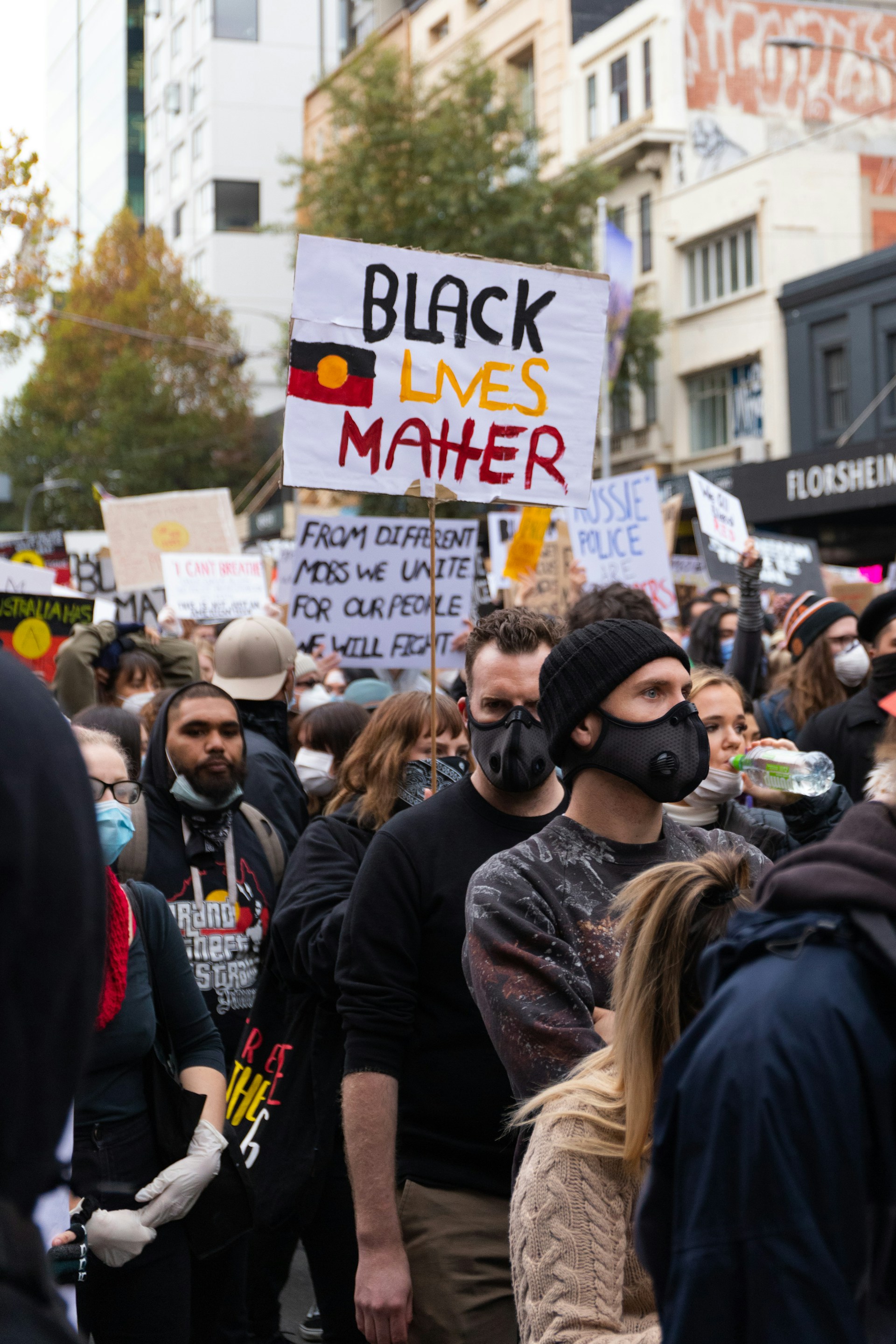
Our team was set up to respond to a truth-telling inquiry into the historical and ongoing injustices faced by First Peoples in Victoria. This includes the impact of colonisation and the State’s role in establishing and maintaining systematic disadvantage. The inquiry is led by First Peoples.
Our job is to deliver information requested by First Peoples, and to support the production of evidence by state agencies and ministers appearing in public hearings.
I led the research team providing information and analysis of policy issues on a broad range of topics. This includes land rights, education, health, housing, and the economy.
What We Did
We produced ministerial witness statements, background papers, and research reports. We additionally conducted a review of historical records, an evaluation of community access to government information services, and analysis of policy reforms.
My team also provided guidance to government agencies on how to best address information requests, as well as providing policy advice to support state witnesses providing evidence to the First Peoples-led inquiry.
How We Did It
Some of the social science methods and theory we have used include:
- Review of state archives: location and assessment of approximately 14,000 records
- Evaluation of programs: review of services with case studies from six agencies
- Thematic analysis of policy and program outcomes: analysis of public evidence, totalling 298,000 words
- A framework for identifying relevant historical documents: supporting the collation of 800 documents to assist the inquiry
- Methodology for redressing the economic impact of historical injustice
- Advice on anti-racism theory, policy, and practice.

What We Found
This work is ongoing. Rather than comment on specifics, I can generally say that agencies are continuing to work on redressing injustice and preparing for Treaty with First Peoples.
Forthcoming hearings will focus on accountability, including progress made on previous recommendations and further areas for policy change.
How Social Science Helped
This is the second state inquiry I’ve worked on (previously, I led an evaluation of emergency services). The similarities between the two inquiries is the fast-paced and dynamic work requirements. Our focus changes rapidly according to new and evolving requests, especially during public hearings. Strong social science training is essential, particularly in managing a high volume of data and producing quick analysis.
In the present inquiry, social science perspective enabled us to:
- Provide a scientific and systematic way to plan and deliver information and advice. For example, we created research plans that documented our methods, information sources, and other evidence
- Create guidelines, including definitions and tips for other agencies to respond to information requests in a consistent manner
- Expertly review submissions by a wide range of agencies. This ensured responses to information requests were accurate and fulfilled requirements, that data matched the conclusions presented, and that terminology adhered to guidelines, including cultural respect
- Apply the research and expertise of First Peoples experts, which helped us to see problems from the perspective of the people impacted by historical and ongoing injustice
- Think critically about policy gaps, including efficacy of programs and policies, as well as addressing issues of accountability
- Understand social relations that contribute to systemic inequality, and the practical steps needed to transition power and resources to community.
 Social Science Insights