
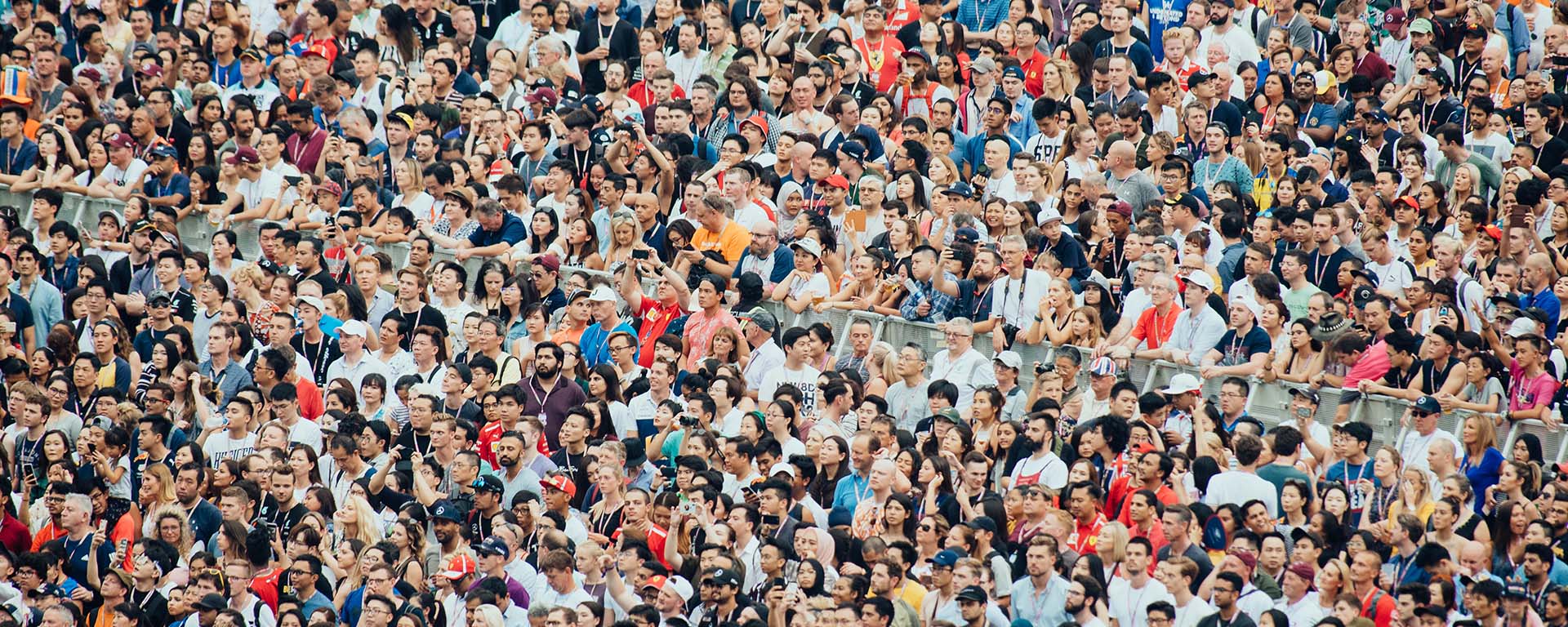
Social policy makers need ongoing research into the social behaviour of crowds. This is partly about urban planning, such as management of landscapes, improving infrastructure, decreasing traffic congestion and so on. Governments also need to understand crowd behaviour because local communities need to improve social service delivery.
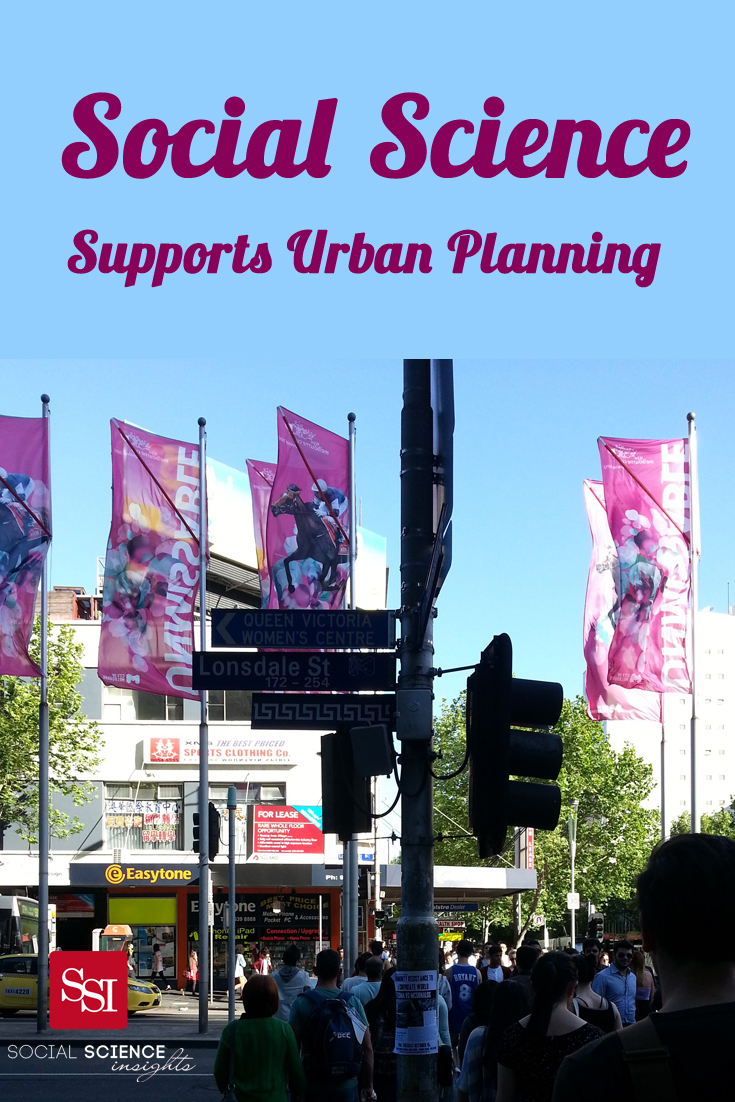
Cities often have big influxes of people flowing through daily, presenting cultural challenges, increasing demand for emergency response, or requiring new information. Governments also sees a need to increase safety in busy areas. This is why many places have laws about what constitutes loitering, often unfairly targeting youth or applying stereotypes of minorities.
Social Science can help by providing social insight on how different crowds behave and advising how to improve services so that local council, social policy and law enforcement aren’t marginalising vulnerable groups.
We improve the collection of statistical data and we also contribute to social models, such as mathematical or computer models that can examine the impact of different social dynamics on crowd behaviour.
Social science can help by providing social insight on how different crowds behave and advising how to improve services so that local council, policy-makers and law enforcement aren’t marginalising vulnerable groups.
 Social Science Insights