Indigenous Sociology for Social Impact

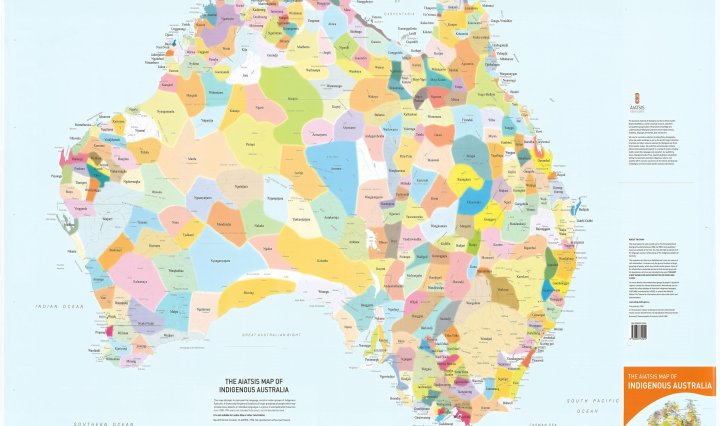
As part of this month’s focus on sociology and activism, The Sociological Review has republished my previous work on Indigenous Sociology for Social Impact.

Continue reading “Indigenous Sociology for Social Impact”

Visual Ethnography of Lockdown

My team and I are working from home, but today, I was required to go into the office. I conducted a mini visual ethnography of my travels. Even though it’s early days of COVID-19 lockdown, there was a lot of positive observance of the Public Health Order, though signs and physical cues can be improved (‘change architecture’).

Continue reading “Visual Ethnography of Lockdown”
Close up of shaking hands of a Black and Brown man

Meeting on Philantrophic Funding

Our week began with a useful meeting and has stayed excellent. Published our Sponsorship Prospectus, sent out a few sponsorship emails, finalised our budget, and drafted an Agreement.

Continue reading “Meeting on Philantrophic Funding”
A textured wall with a poster drawing of a person behind a grid

Services for Vulnerable People

I presented on our project seeking to improve services for vulnerable people who are at risk of recidivism. The questions from the audience were interesting, from specifics about our methods, to how we can encourage conservative organisations to go through the cultural change required to adopt our recommendations.⠀

Continue reading “Services for Vulnerable People”
Woman standing in Sydney train station looking at her phone as blurred trains rush past on either side

Accessible Train Stations

There are 925 train stations in Australia but 1 in 4 can’t be accessed without assistance, plus a further 179 stations have other accessibility issues.

Continue reading “Accessible Train Stations”
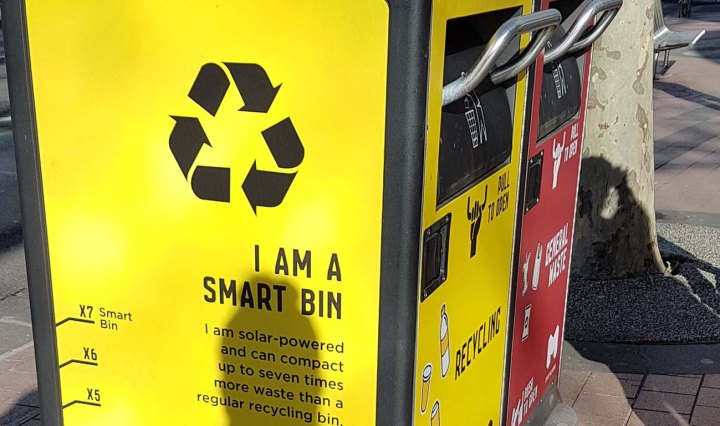
Yellow smart bin in Melbourne. Writing on the side says 'I am a smart bin'

Behavioural Science of a Smart Bin

Research shows many people have trouble noticing rubbish, even when it is prominent. Convenience of public bins, as well as reminding people about social norms, public funding , and novelty of design decreases littering.

Continue reading “Behavioural Science of a Smart Bin”
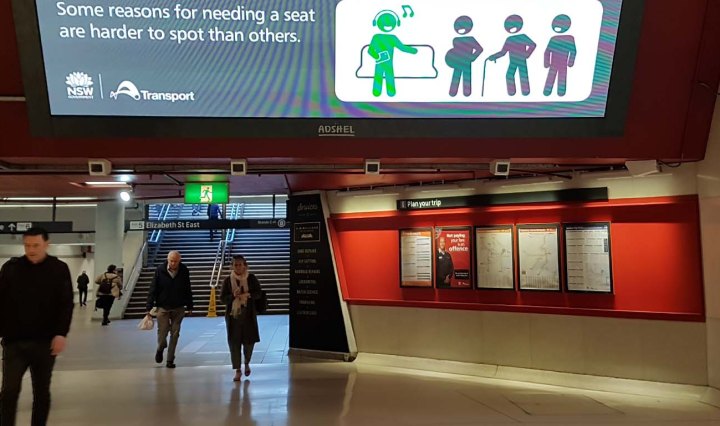
People walking in Martin Place station underground. A large monitor shows an ad with stick figure people: one is green, seated, and listening and singing to their music; the other figures are black - one is pregnant, the other uses a walking stick, and the other stands

Using social norms on public transport

Below is an example of how social norms can encourage a change toward a desired behaviour. A sign at Martin Place station, in Sydney, reminds people: ‘Some reasons for needing a seat are harder to spot than others.’ This is known as behavioural insights – the use of behavioural and social sciences like psychology, economics, anthropology and sociology for social policy and services.

Continue reading “Using social norms on public transport”
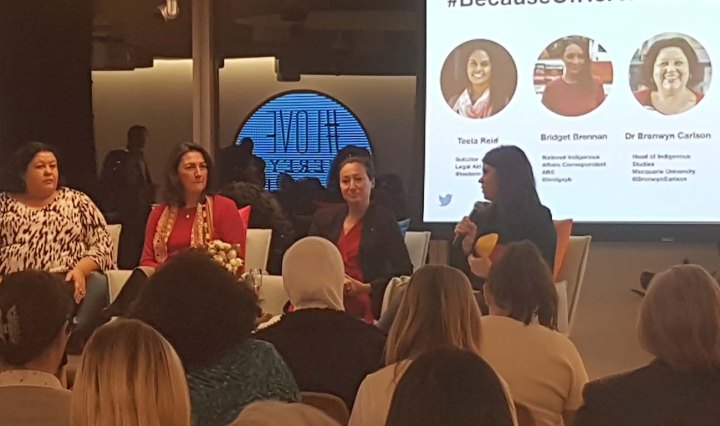
Aboriginal women speakers sit up front of an audience at Twitter Australia headquarters

NAIDOC Week 2018

This past week Australia celebrated NAIDOC Week, a time to reflect on the culture, history and achievements of Aboriginal and Torres Strait Islander people. This year’s theme was Because of Her We Can, putting the spotlight on Indigenous women’s central role in overlapping areas, from family, to community organisations, to social justice.

Continue reading “NAIDOC Week 2018”
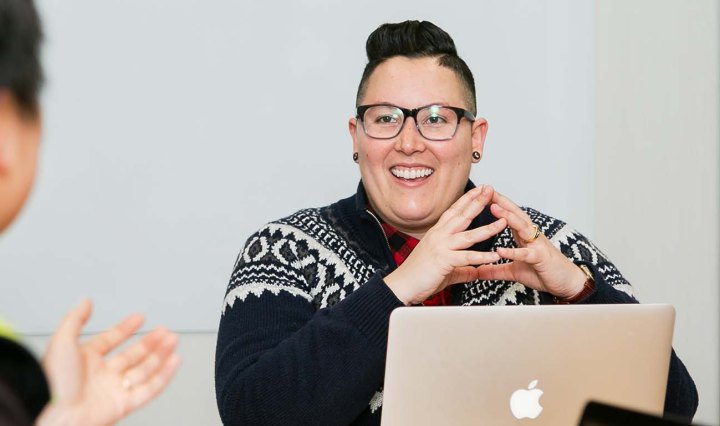
A white woman wearing glasses is smiling as another person talks to them. She has her laptop open

Women in Technology

Tech is the single biggest industry employer of men in Australia, but women only make up a quarter of this workforce. Companies invest big in the latest technologies to stay ahead of the game. Why don’t they invest in minorities and White women in the same way?

Continue reading “Women in Technology”
International Conference Centre ICC Darling Harbour, Sydney. Tall buildings along the water and a huge ferris wheel in the distance

Using Behavioural Science to Improve Education

First day of the Behavioural Exchange conference! My favourite session was on using behavioural science to improve educational outcomes of disadvantaged youth.

Continue reading “Using Behavioural Science to Improve Education”