

Organisations have administrative hurdles and inadequate support that negatively impact the recruitment, career progression, and retention of people with disability.* This post covers three sets of findings. First, how to increase professional development opportunities for staff with disability. Second, how to ensure managers have better resources to facilitate disability inclusion and improve workplace adjustments. Third, recommendations on how to improve systemic problems.
The following post summarises my team’s recent report.
Summary
- One in five Australians have a disability
- My team did an evaluation and fieldwork to understand the behavioural barriers and solutions that impact the careers of people with disability in the public service
- In our research, people with disability told us they have poor career opportunities. They have trouble getting accessible training. Employers are slow to put in place their workplace adjustments
- Adjustments are reasonable changes, modifications or alterations to a job (see page 8)
- This includes ways of working, the set up at work, changes that help staff to do their job properly and safely, and feeling included at work
- To improve the careers of people with disability, workplaces can send timely reminders about career programs. They can make accessible training easier. They can simplify workplace adjustment applications.
- Managers told us that they have trouble recruiting people with disability. They don’t know much about disability inclusion. They don’t know how to make workplace adjustments for their employees. They don’t know about special programs that allow them to hire people with disability more directly.
- Workplaces can help managers by cutting the extra steps in recruiting people with disability. Employers can provide practical tips on how to be more inclusive. They can make it easier to approve workplace adjustments. They can send reminders and invitations about inclusion training. They can provide support from other managers who have had success hiring and supporting people with disability
- We found that recruitment software and information systems don’t talk to each other. They do not share information that might help people with disability
- We have made recommendations to improve disability inclusion programs and systems
Background
One in five Australians have a disability (18%). It’s likely that we work with someone who has a disability, even if we don’t know it.
In 2019, only 2.5% of public servants in New South Wales were people with disability.
The New South Wales Government has a priority to ensure that 5.6% of public sector roles are held by people with a disability by 2025.
Most people think of the public service as bureaucrats who work in an office. In reality, the public service is largely made up of frontline services (95%):
- 36% are doctors, nurses, and other health professionals
- 31% are teachers and other educators
- 15% work in justice and the community sector
- 8% work in transport
- 5% in planning, industry and environmental services.
Only a small percentage (5%) work in primarily policy roles, but they make important decisions on public programs and services.
That’s why it’s important that the public service is as diverse as our broader community.
What We Did
We partnered with the Public Service Commission to review the issues, programs, and systems affecting the career progression of people with disability.
How We Did It
- Literature review of national and international studies on how to increase recruitment and retention of people with disability
- Rapid evaluation of data collection, recruitment systems, and administrative processes across the public service
- Rapid assessment of ‘best practice’ across the public service. We collected information and experiences of positive programs that have made significant impact to staff with disability
- Created a customer journey map of recruitment pathways, including the current state, data collection gaps and systemic barriers, as well what’s needed to improve future processes
- Consulted with experts from across the public service on implementation of workplace adjustments at each phase of employment, from recruitment to exiting. This includes the Public Service Disability Employee Networks, the Public Service Commission, and other agencies
- Fieldwork with 50 public servants, including one-on-one interviews with diverse staff with disability (22 people) and focus groups with senior managers and HR experts (28 people)
What We Found
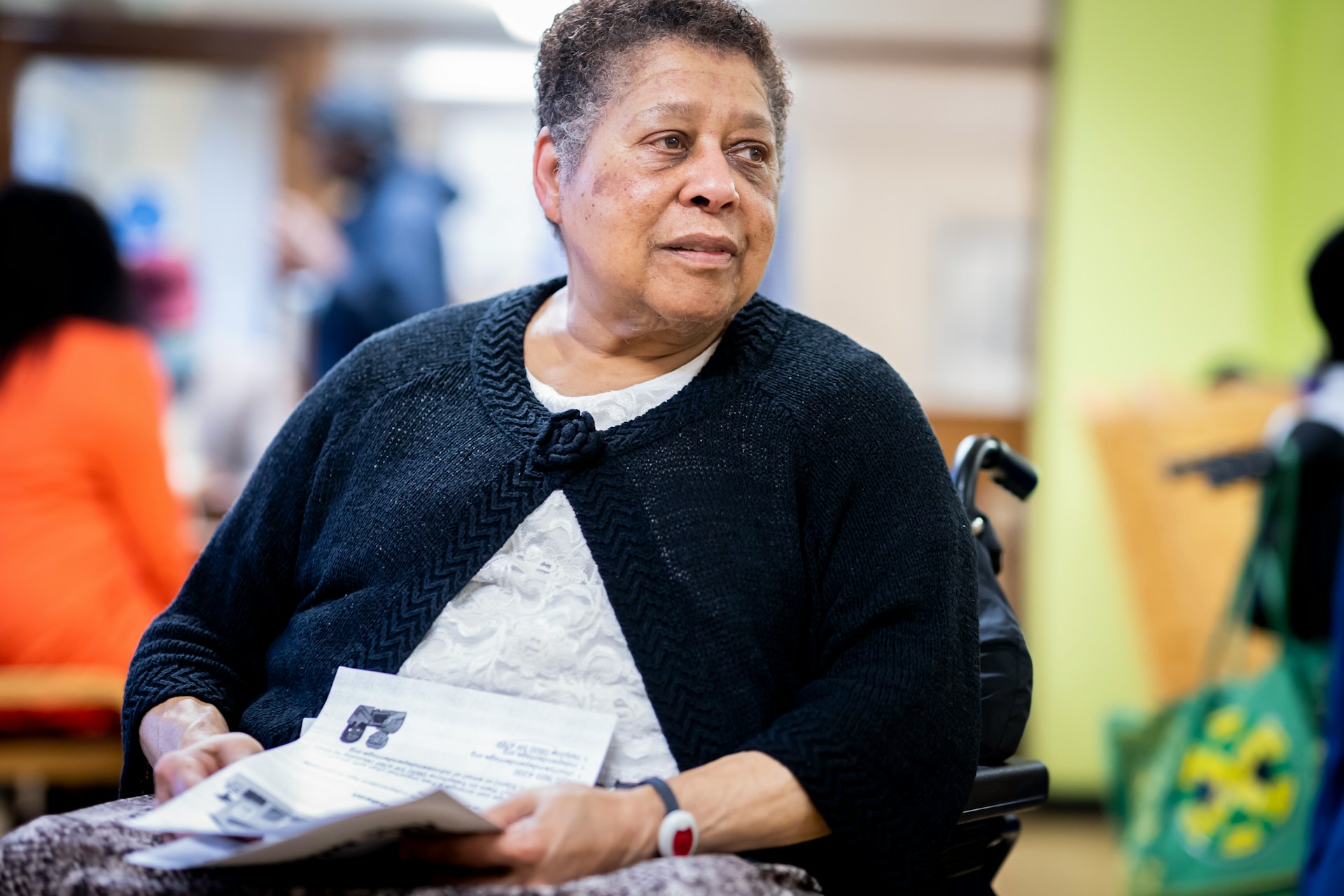
People with disability told us that they:
- Lack of career opportunities
- Want accessible training to support their career progression. They have trouble negotiating time, funding, and approval to attend courses. Training is rarely tailored for people with disability.
- Experience delays in having their workplace adjustments properly implemented. E.g. They are asked to fill in convoluted forms and processes. They are asked for multiple assessments
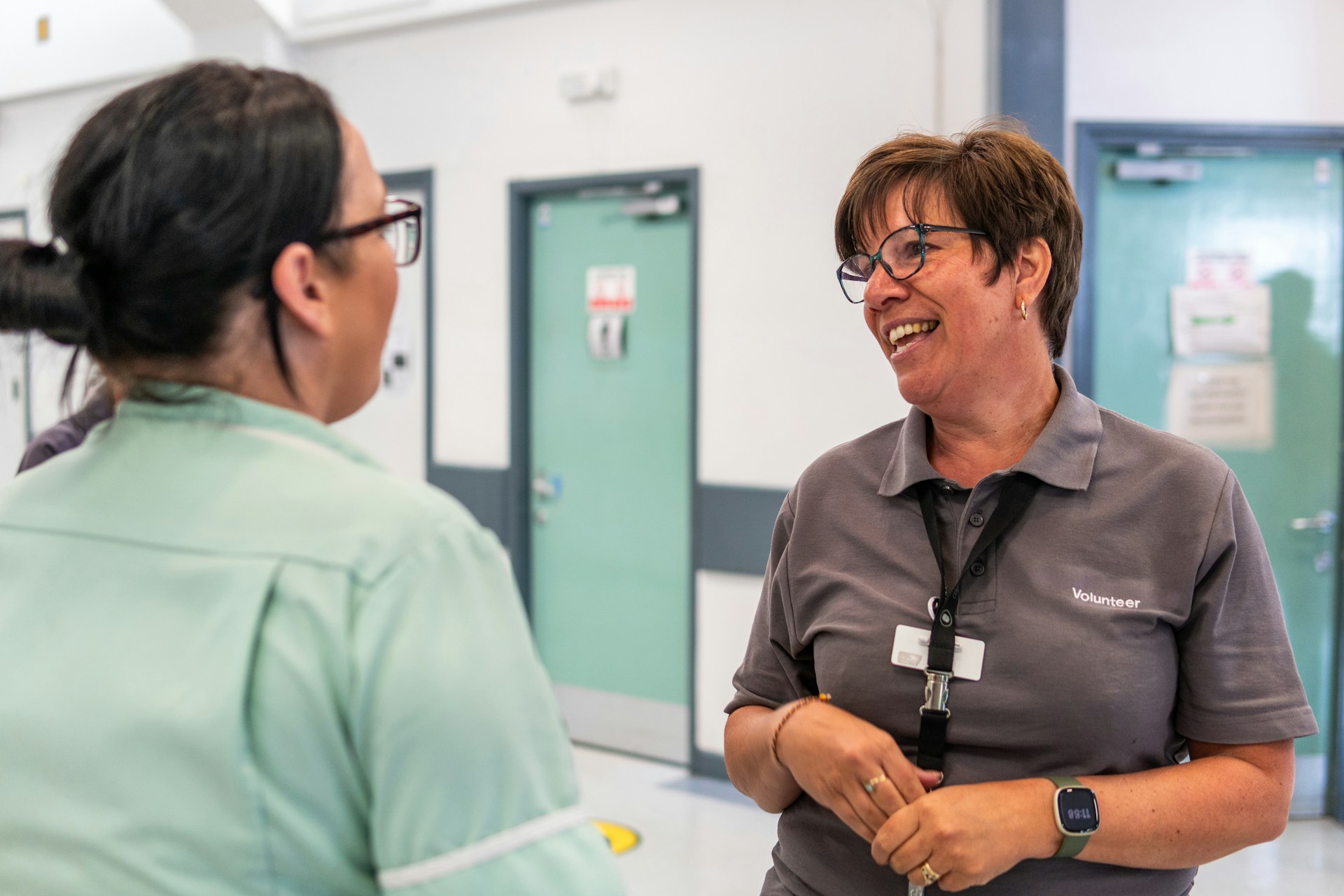
Managers told us that they experience many hurdles in recruiting people with disability, as well as hidden barriers (friction costs). For example:
- They are given excessive information for recruitment panels, with dense guidelines and too many forms
- There’s a lack of focus on disability inclusion. E.g. They aren’t taught how to check for interview adjustments
- Role descriptions are inflexible. E.g. They can’t easily modify standardised job requirements, even when these don’t matter to the job.
- There is no awareness about Rule 26. This allows recruiters to vary recruitment and selection processes for candidates with disability. E.g. Advertising requirements, recruitment assessments, modifying bulk recruitment processes
- They don’t understand how workplace adjustments work. E.g. They are overly concerned with how much this would cost. Most workplace adjustments are free or low cost, such as flexible work hours or working from home.
Our review of data and systems finds that candidates can choose to disclose their disability at various stages during recruitment, but these systems are not connected. This includes the job application, during onboarding, and on the human resources portal once they are hired. Staff should only have to ‘tell us once’ about their disability status, and have full control to update this easily.
To address these barriers, workplaces can empower behavioural and systemic change.

Behavioural change for staff with disability
Use reminders: Individuals are more likely to change their preferences if they are given a reminder at an optimal time (timeliness). Once systemic barriers are addressed, and people feel safe to opt into disclosing their disability status, the organisation might prompt staff to update their disability status on an annual basis. For example, some people might acquire a temporary disability, or their needs might have changed since they were first recruited. If staff opt-in to have their data used for recruitment programs, these data could be used confidentially to offer relevant training or target career opportunities.
Make training easier to access: Remove complex approvals, and other unnecessary administrative burdens (friction costs). All courses should make electronic materials available ahead of time. Managers should promote and proactively support opportunities for their staff with disability, including the time and funding to attend.
Simplify workplace adjustments: People are more likely to act when forms and processes are easy to follow, and unnecessary steps are removed (simplification). Adjustments can be simplified with a ‘Workplace Adjustment Passport,’ where staff establish their adjustments once, and they carry this forward in new roles or across agencies. (See this example.) Establishing central funding for adjustments and promoting this to hiring panels and in job ads takes the pressure off hiring managers to find individual funding.
Behavioural change for managers
Reduce administrative burden: People are put off from completing tasks that have too many steps (friction costs). Provide hiring panels with a brief checklist that includes tips on disability inclusion. For example:
- Offering all candidates adjustments during the selection process
- Discussing job share and flexible work options as part of the job interview
- Considerations on whether Rule 26 might apply.
Create a feedback loop: People improve their behaviour when they are provided timely feedback that they can reflect on and use on the spot (feedback loop). For example:
- Provide managers practical tips on inclusion during performance evaluations. For example, a conversation guide about adjustments, and flexible work
- Promote internal opportunities for people with disability to ‘act up’ to increase their managerial skills
- Host ‘executive roundtables’ so staff with disability can directly chat with senior leaders about their career needs.
- Recruit new talent via specialist programs such as the Australian Disability Network’s internship program.
Send personalised invitations to relevant training: Managers have access to hundreds of courses online, but it’s hard to know which course is most relevant (information overload). Email personalised invitations to managers, with a direct link to relevant training. Include information about the specific skills they gain from the course.
Provide peer support: Research shows that peer networks who provide practical support can improve workplace culture (reciprocity). Establish a peer mentoring network to help managers receive support from influential peers who have experience managing staff with disability.
Systemic change

Our team made numerous recommendations to improve systemic barriers, including unconscious bias and discrimination. These are incorporated into the public sector’s Disability Inclusion Action Plan 2020-2025. Measures include:
- Improving data collection and system enhancements to better measure outcomes for people with disability
- Tracking and addressing the number of people with disability applying for roles, requesting adjustments, success rates of both groups in being offered roles, the number of adjustments provided/ not provided
- Reviewing tailored programs offered to meet the needs of specific disability groups (that is, addressing intersectionality — the impact of race and other forms of discrimination, such as gender, class, and disability)
- Encouraging people of disability to reapply for roles if they were shortlisted but missed out on a role
- Offering training and tracking outcomes
Our recommendations to improve data and information systems are incorporated into a broader plan for the public sector’s Enterprise Resource Planning Modernisation Program. This includes:
- Better data and systems
- Improving how programs and opportunities are presented to staff over their career
- Using systems to encourage managers to better support inclusion.
How Social Science Helped
- Scientific methods to address performance and service gaps, mapping each step that helps or hinders change, reviewing best practice, evaluating organisational systems and processes of recruitment and employment, customer insights from end users affected by the behaviours we are trying to change (staff and managers)
- Scientific theories to identify systemic issues and behavioural barriers, and recommendations for change
- Evidence-based solutions that align with strategic planning, existing programs, and actions plans
- Groundwork for future testing. Using these insights, our team ran a randomised control trial to improve disability awareness and training.
Notes
* The term ‘person with disability’ reflects the person-first language preferred by people with disability who work in the New South Wales Public Sector.
This post draws on our previously published results.
 Social Science Insights