

My team and I are working from home, but today, I was required to go into the office. I conducted a mini visual ethnography of my travels. Even though it’s early days of COVID-19 lockdown, there was a lot of positive observance of the Public Health Order, though signs and physical cues can be improved (‘change architecture’).
On the way, I saw many people in my local neighbourhood shops properly observing social distancing rules. The lines outside were very long. Food courts seating areas were closed and many shops were also closed.
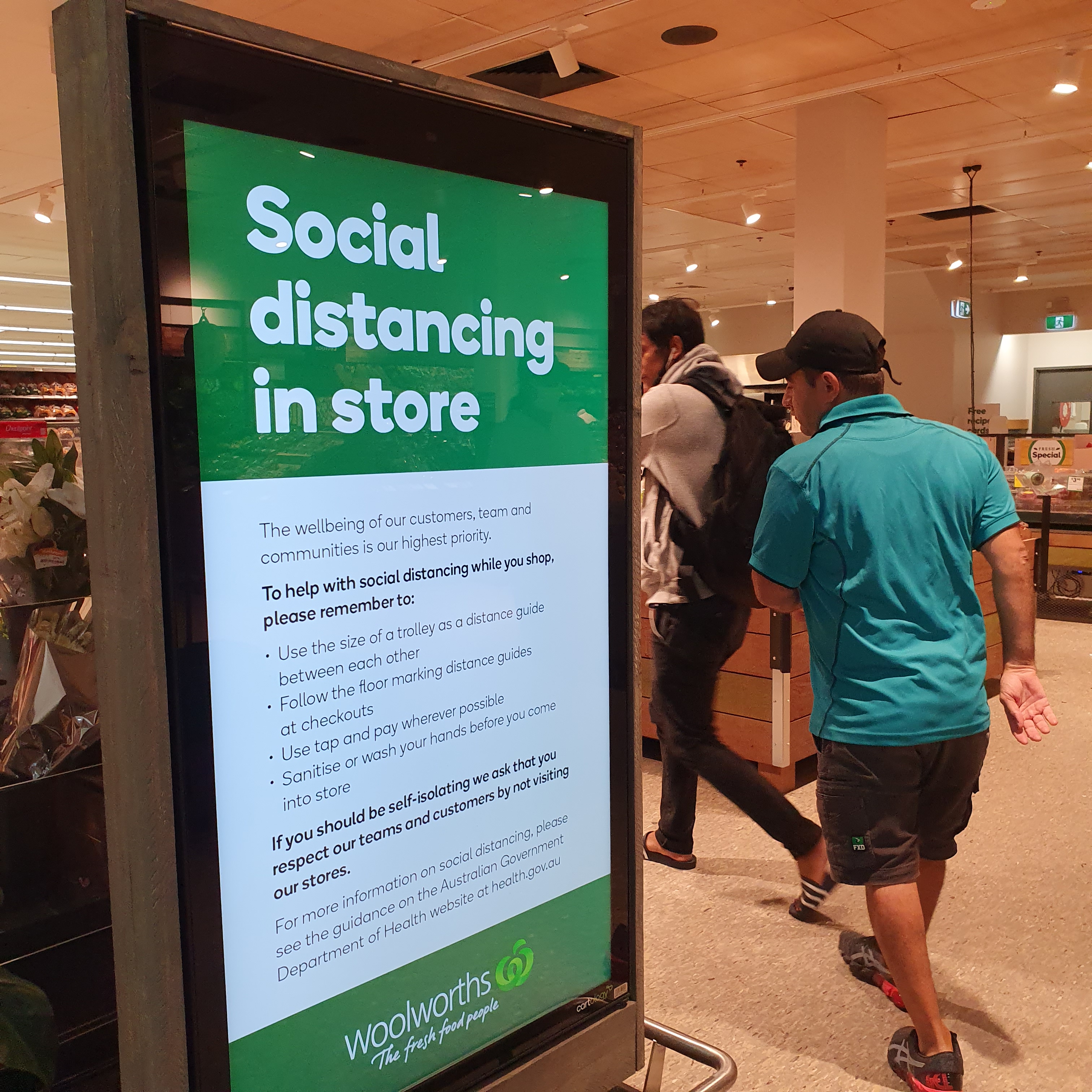
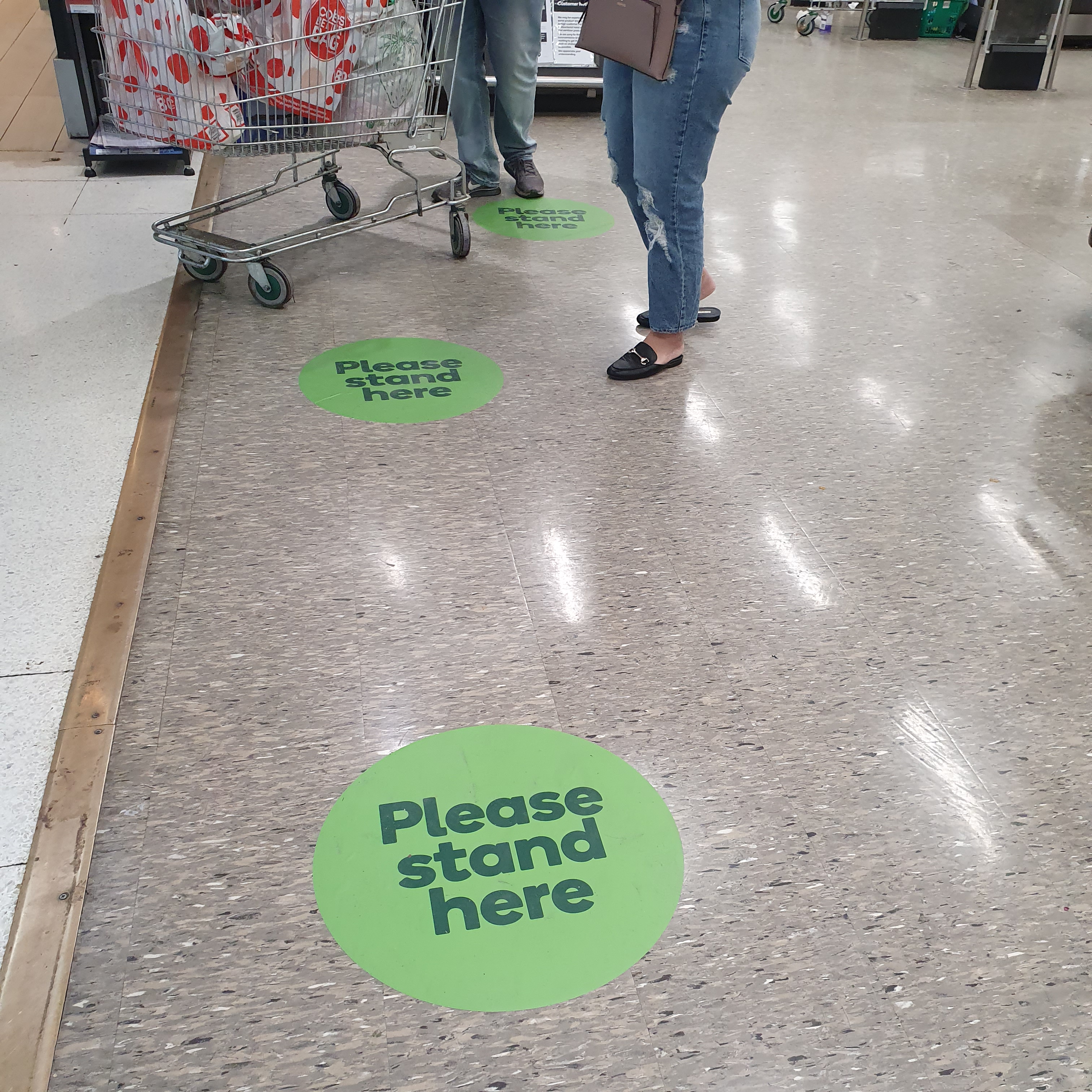
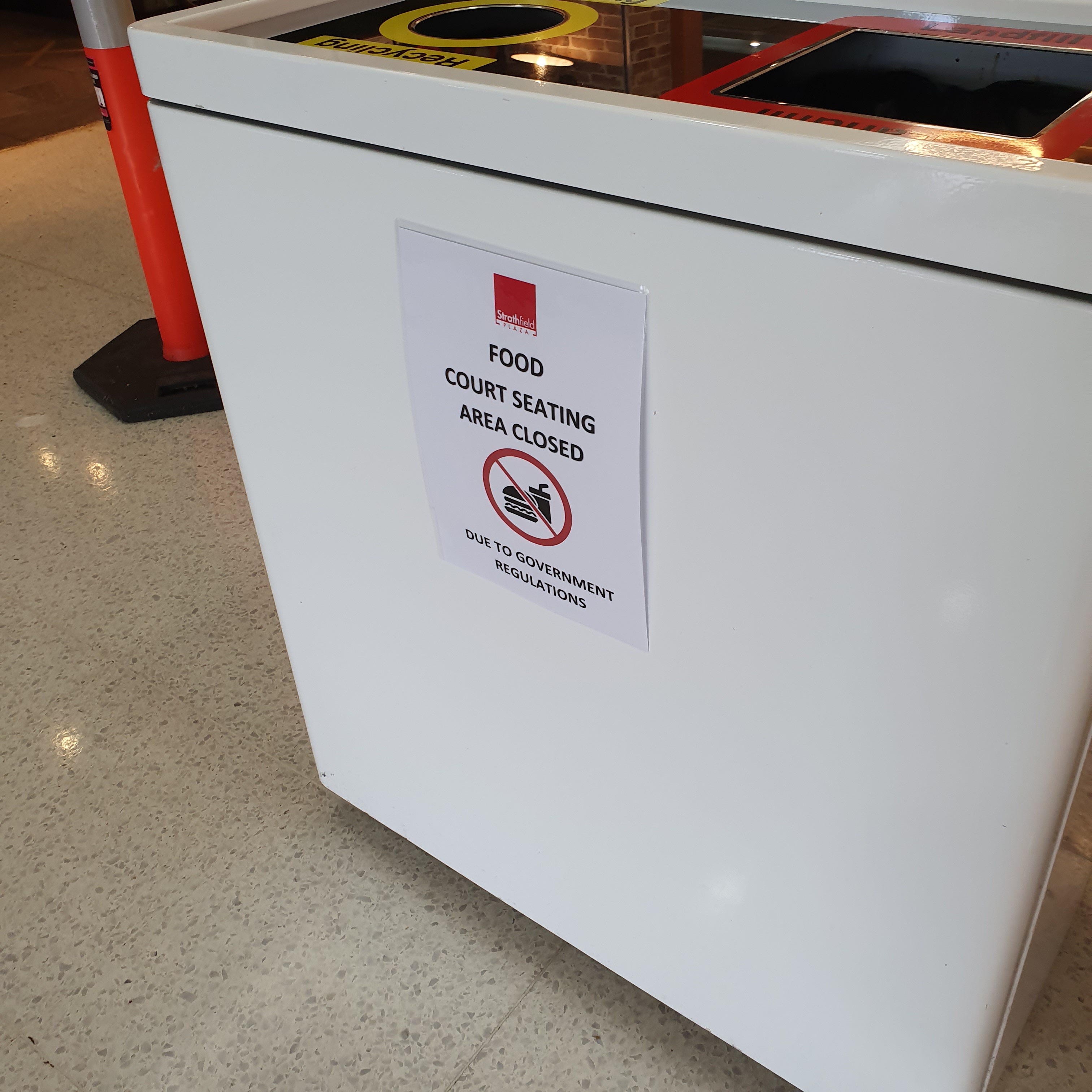
At Central Station, Gadigal land, Sydney, the usually busy streets and public transport were mostly deserted.
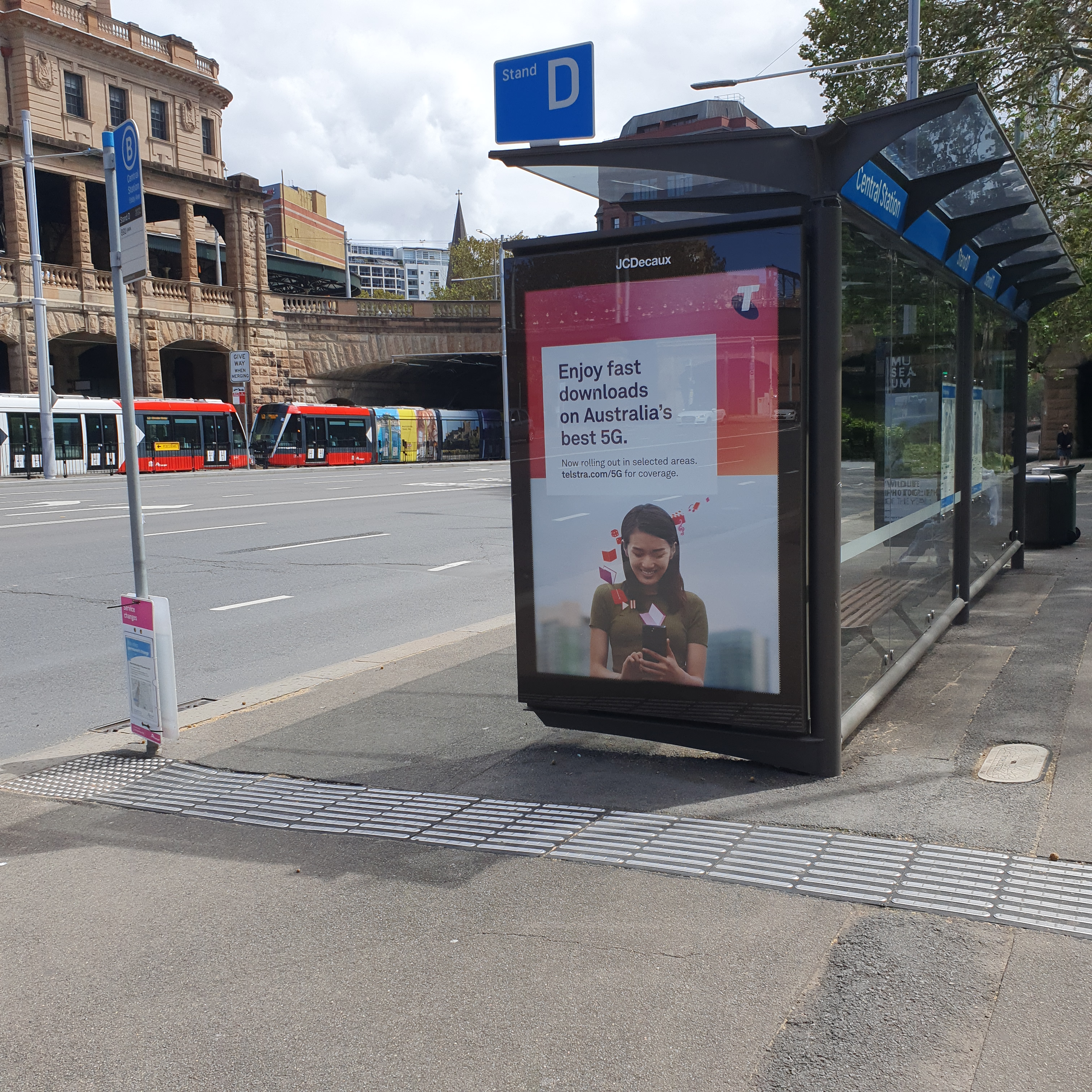
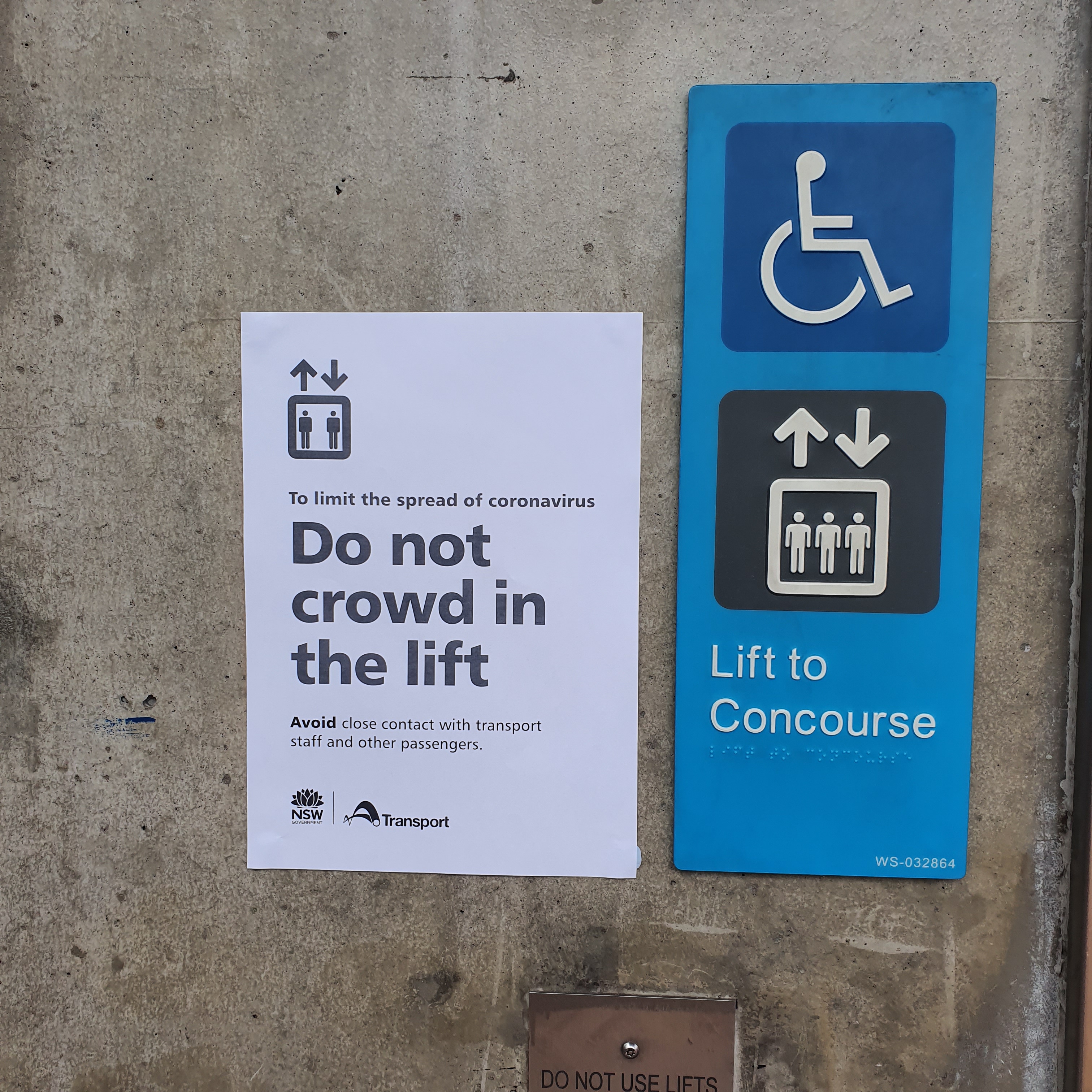
There were few salient signs guiding people on social distancing. Some signs were text-heavy and hard to read from a distance. Other posters were sandwhiched in between other advertisements. There was a sign saying people should not crowd the lift. There was no hand sanitiser at the elevator, even though people have to touch the buttons.
All around the city, the pedestrian crossing buttons have been covered up. Signs say there’s no need to press the button to cross the road. This is a very positive behavioural intervention. At the same time, people were still crowding together at the lights, and not observing the 1.5 metre rule.

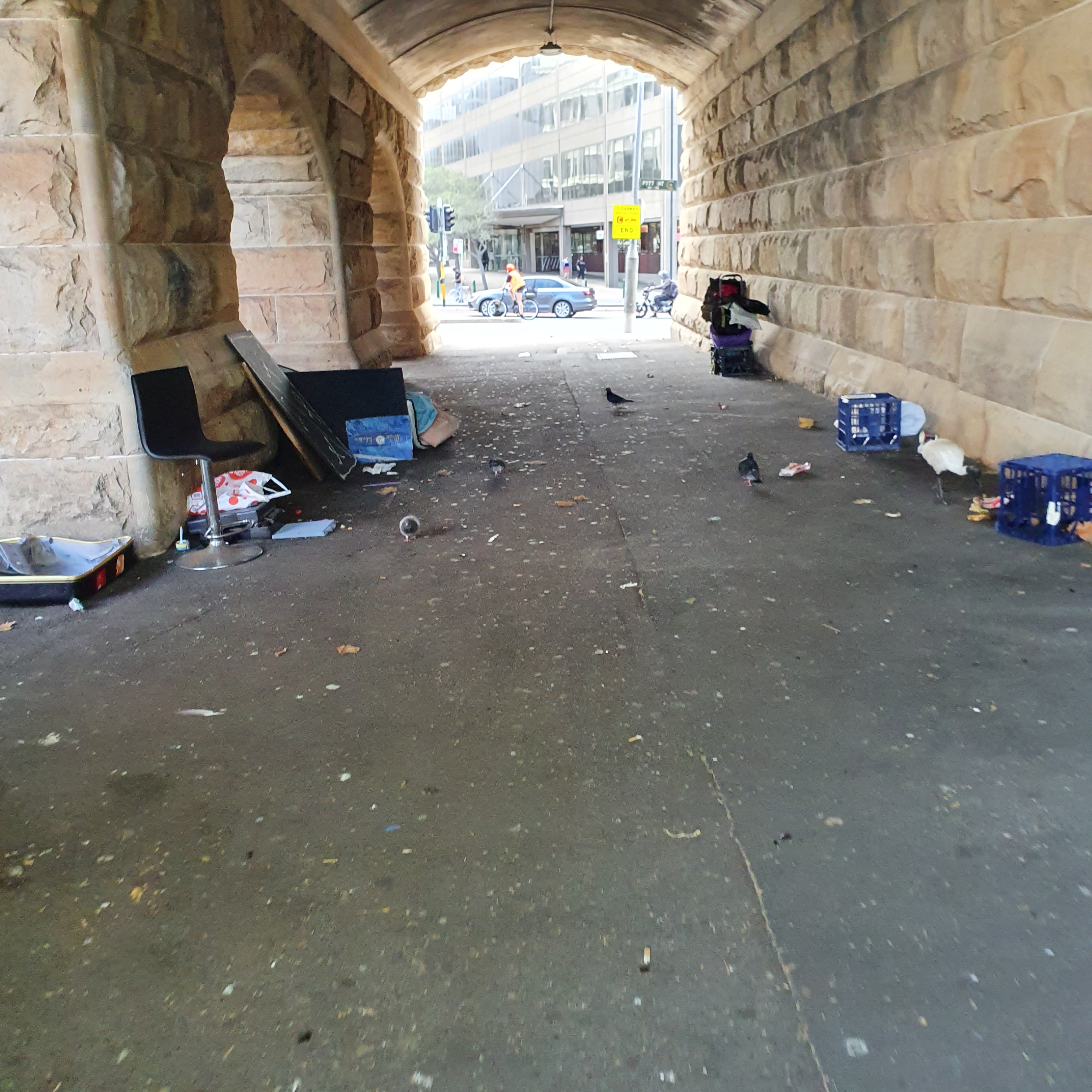
It was clear to see that there is inadequate support for people who are homeless.
Some entrances to key buildings have hand sanitisers, but other doors in the same building do not.
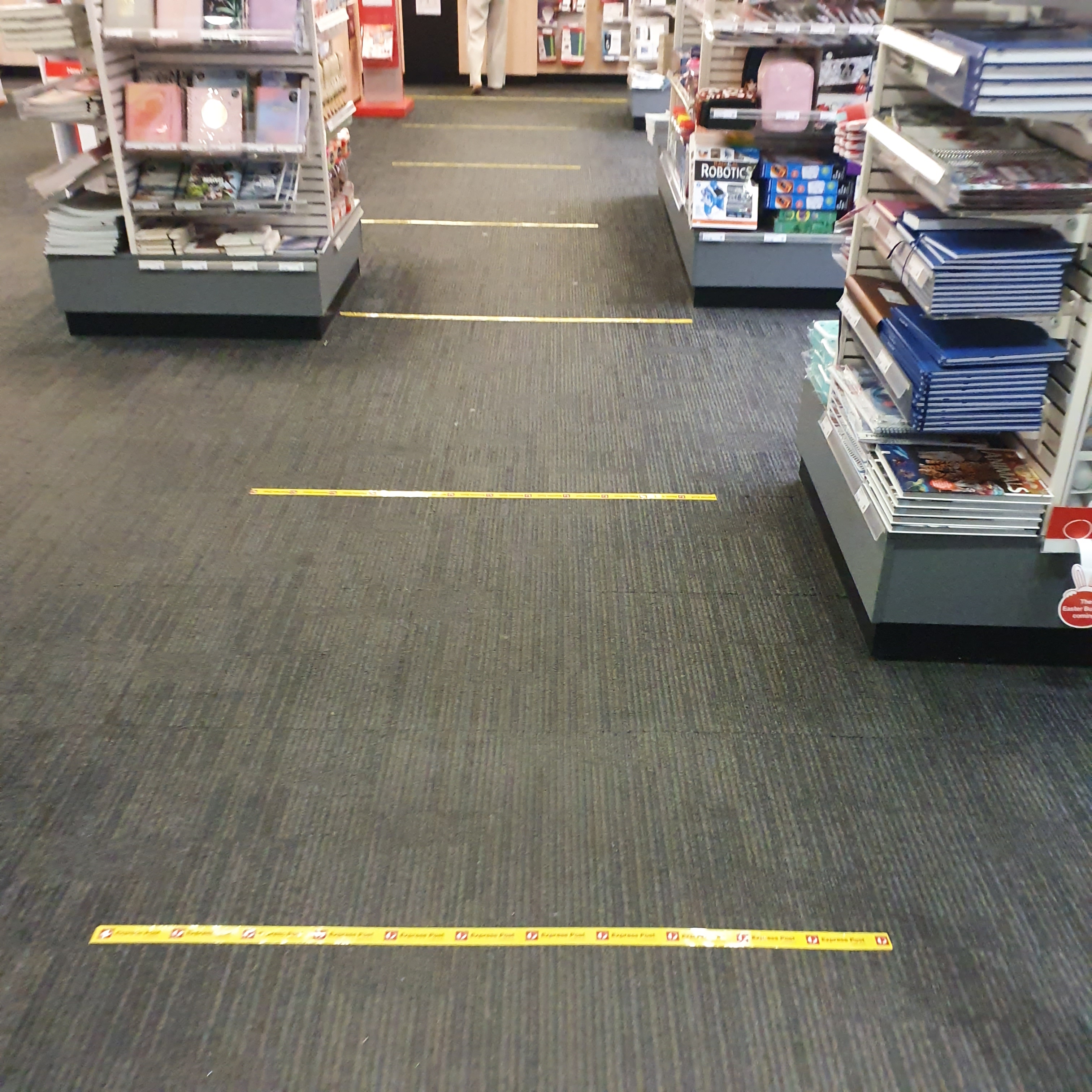
The Post Office had visual cues to help customers maintain social distancing. This is excellent.
The trains have green stickers to enforce social distancing on seats. People were mostly observing these signs. Nevertheless, in some spaces, people were still gravitating together. For example, instead of spacing out across the train carriage (there was plenty of space), most people were sitting in the centre, closer together.
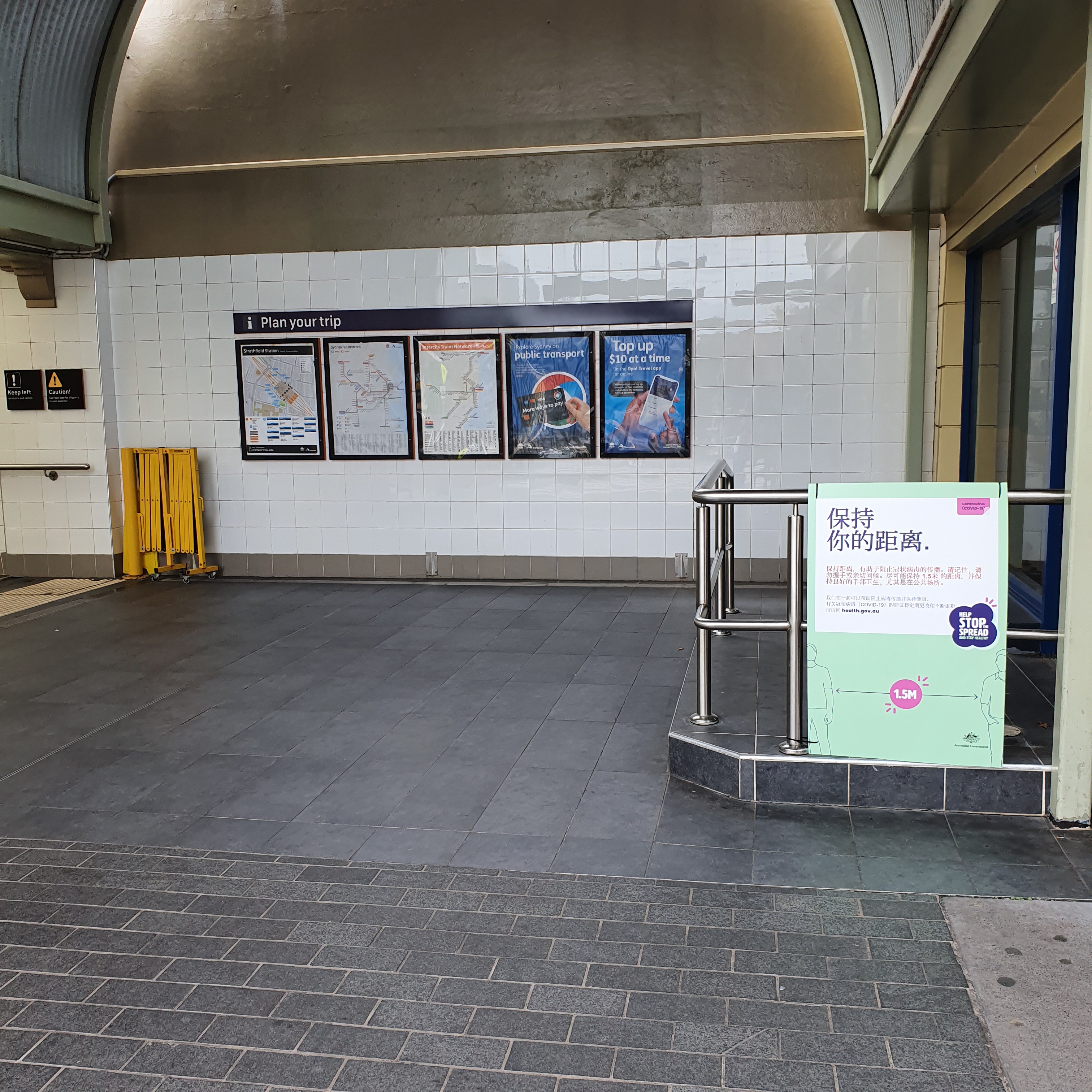
On the way home, my local train stations had no social distancing signs. There was one COVID-19 poster out the back exit, in Chinese languages, which was very encouraging, given we are a highly multicultural suburb.
 Social Science Insights