

Social science can encourage businesses to comply with safety regulations. This is a case study showing how to encourage community organisations to submit event safety planning information in a timely manner. We cover how to encourage early planning, showing the benefits of complying with safety information requests, targeting messages, and using trusted messengers.
Summary
- An organisation seeks to encourage community event organisers to submit a safety requirement form
- The new form did not explain the benefits of volunteering this information during the early planning phase
- People will put off from taking actions that seem hard and that have no direct relevance
- Organisations can encourage safety planning by
- Focusing on how to ensure customers feel safe while having fun
- Targeting messages about how to keep staff safe
- Demonstrating collaboration, such as by connecting event coordinators to the right people, ensuring their event is a success.
Encouraging early planning
An organisation, whom we’ll call Event Regulation, came to me for advice for how to get community event organisers to voluntarily submit their safety requirements.
Event Regulation has no way to anticipate new arts festivals and events that community groups might be planning. They rely on their team scanning public information to identify and pre-emptively reach out to such groups, and encourage them to think through safety planning as early as possible.
For certain types of events, the legislation mandates that safety plans must be submitted at least 90 days before the event. In reality, event coordinators leave the safety plan to the last minute, or they submit it late. This creates many problems in approving events in a timely way. Events have multiple complexities and safety risks that need to be managed with more lead time. Submitting planning information late strains Event Regulation’s resources, and it is stressful for event coordinators.
Event Regulation seeks to introduce a new voluntary form so that event coordinators can alert their agency about the event. The form is designed to help organisers think through safety risks and preventative measures.
Event Regulation considered enticing event coordinators by allowing those who complete the voluntary form to then submit their safety plan 60 days before their event, rather than 90 days. Behavioural science research suggests this might not be attractive enough.
Present bias describes how we prefer to receive smaller benefits for our efforts now, rather than waiting for a bigger payoff in the future. When the hassle outweighs the perceived benefit, people will delay a task as much as possible, even when a program is free.
Actions have direct costs (such as permit fees), and indirect costs (such as the time and effort required to fill in a permit application) (friction costs). Individuals are put off from taking action when seemingly insignificant details make a task seem harder, such as too many unnecessary steps in an application form. Event Regulation’s new form requires event coordinators to be motivated take three extra bureaucratic steps that they are otherwise not legally required to do:
- Alert a powerful decisionmaker (Event Regulation) that they’re planning an event at an early stage of planning, whom event coordinators might see as a hindrance or blocker
- Fill in extra documentation now (the new form), on top of required documentation later, such as their permits and safety plan
- Invest time and effort on the new form during a hectic period of planning.
It is unclear what event organisers gain by filling in an additional form, given that they will be required to fill in other mandated forms as part of their event permit application.
Whether it’s 60 days or 90 days, the extra time will not make much of a difference to event organisers, who may not see this extra step as helpful.

Show them what they gain
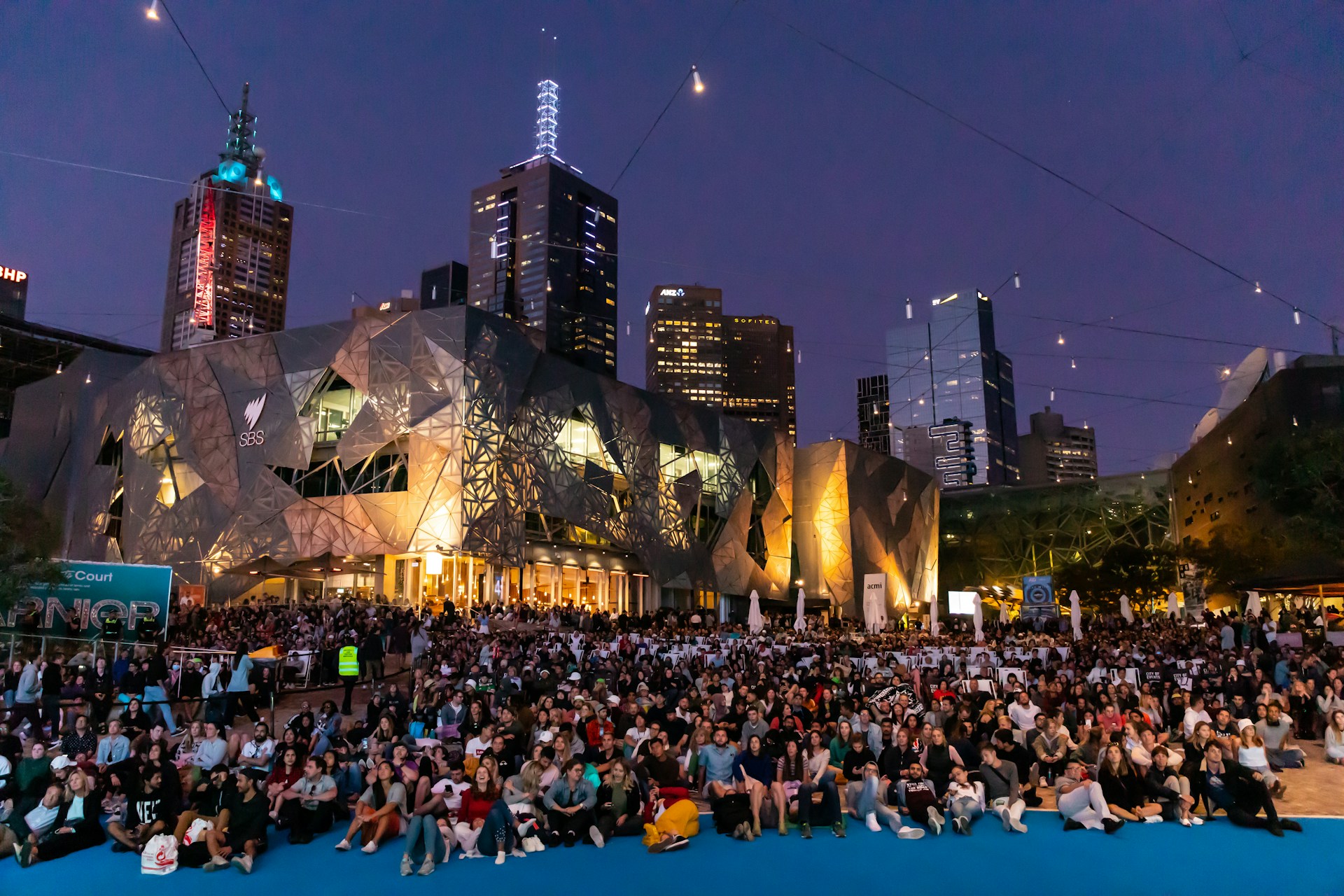
I encouraged Event Regulation to think about gain framing. This is where we focus on the benefits of compliance rather than on the penalties, which is what a lot of government agencies and organisations often emphasise. Research shows that community members want to ‘feel safe while having fun,’ and that they support greater safety at public events. Drawing on some of the internal research that Event Regulation has done with their customers, they could promote a positive message. For example:
“90% of festival goers want to feel safe while having fun. Fill in our form to ensure your event will meet the safety needs of your community.”
Target the message
I encouraged Event Regulation to consider segmenting their audience — that is, dividing event coordinators into smaller sub-groups, such as experienced versus first-time event coordinators — and then personalising the message for each audience.
For example, for the latter who are unfamiliar with permit forms, Event Regulation might provide a quick case study about how the new form helps novice coordinators plan ahead to meet specific problems they might not have anticipated.
Australian experts show that 29 festival workers were killed at events during 2003 to 2016. They also note that the fundamental cause of fatalities and injuries is ‘either poor planning or an absolute lack of planning.’
I suggested Event Regulation might target novice coordinators about keeping their workers safe. For example:
29 event workers have been killed at recent public events in Australia. Keep your workers safe by filling in our form, which shows you how to put in place proven safety measures

Use trusted messengers
Individuals prefer to avoid unknown risks, to stick with choices where the outcome is known, even if a new opportunity might get us a better outcome (ambiguity effect). We are put off from dealing with regulatory agencies, because we don’t know how that agency might help us, and we prefer to avoid bureaucratic processes that might stop us from getting what we want.
Event coordinators are additionally overwhelmed by more immediate planning issues, and so they delay thinking about the safety plan, which is an unknown future problem.
I recommended that Event Regulation might think about messenger effect. This term describes when a message is delivered more effectively via a trusted figure who shares traits with the audience, or by someone who has authority in their field, or a person who is otherwise more relatable to the audience.
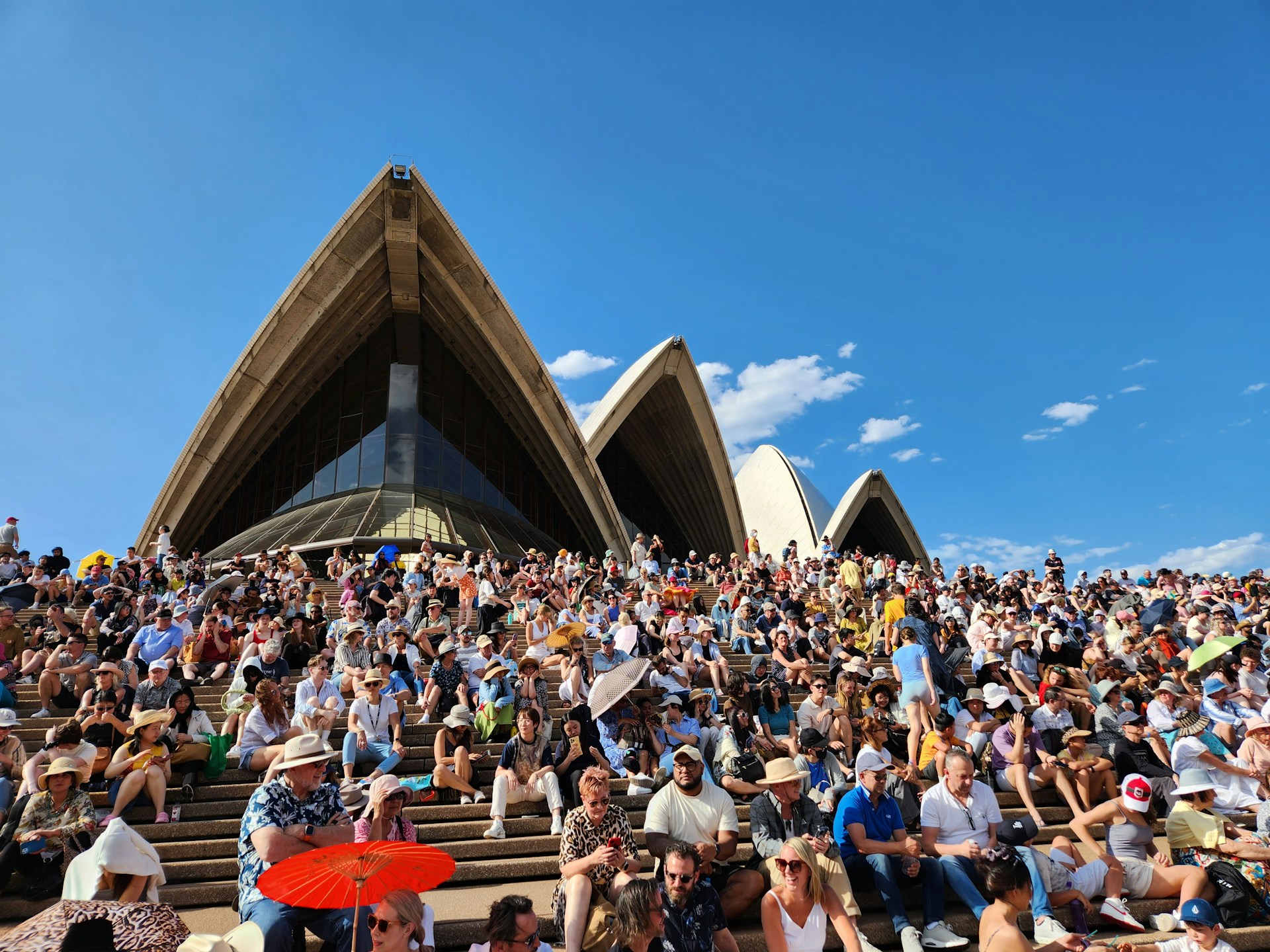
I suggested emphasising that Event Regulation staff are experienced event planners. They could position themselves as being collaborators, rather than emphasising their regulatory function. Event Regulation could be explicit about how the organisation can help event coordinators in material ways, on the specific problems they are facing right now. They could promote the benefits of the partnership. For example:
‘The earlier you submit your form, the quicker that we will connect you to all the organisations that you need to start talking to, like Ambulance Victoria.’
Summary
- Avoid creating more hassle. If you want to introduce a new form, rule, or process, ensure to appeal to immediate benefits, rather than penalties
- Show businesses what they gain by complying. E.g. Appeal to the safety needs of their customers
- Segment your audience and send them targeted messages. E.g. Help novices plan ahead, or show businesses how to keep their workers safe
- Use trusted messengers. Position your staff as collaborators. Show businesses how your organisation can help them solve specific problems. E.g. Connecting them to relevant agencies

 Social Science Insights