

Social science offers helpful techniques and insights for sole traders, not-for-profits, and small businesses. Social science can inform social media policymaking, as well as providing methods to improve the impact of messages and encourage audiences to take positive action. This post covers tips about how to post and test messages.

How social science helps
I’ve managed social media accounts for small businesses, national not-for-profit organisations, and large government agencies. I’ve also led massively successful social media ads and campaigns, as well as social media testing with over 300,000 participants.
A frequent pattern I see is that business owners and leaders often think that the way they use social media is typical. They prefer written content, rather than visual posts. However, these individual preferences may reflect generational trends and familiarity, given that most companies still rely heavily on written reports, briefs, and dense PowerPoints. Executives also expect to approve posts that are ‘official-sounding,’ such as relying on formal language. These posts are often stilted, and they are not effective with general audiences.
Social science provides broader awareness of corporate responsibility when crafting social media policies and guidelines. This includes privacy, online safety and other practices that impact on customer wellbeing and civic participation. People expect companies to respond to them on social media, to answer questions and resolve complaints (see this discussion of ‘Out-Hub and Spoke: Support Networks’).
Social science also supports organisations to use social media effectively within their teams. Don’t overlook research showing that staff are your primary social media champions — if they’re engaged, they’ll be positive online.
Social science provides the most rigorous and informed way to find your corporate voice on social platforms and to help organisations communicate with impact. This includes effectiveness of different types of messages and methods to test engagement. As one social worker says:
‘My main tip would be to try and build a small community of people around you who are interested in what you’re saying. Try and fit it in around your life. Don’t dread it, think of a purpose for why you want to use it.’
Below are some tips for organisations looking to improve their social media engagement.

How to use social media more effectively
Be engaging: Post questions, quotes, statistics, live events, practical advice, and informative threads (a series of linked posts). Avoid dry posts, which simply ‘tease’ people about content on your website, or which aim to push them to open a webpage or jump to another platform (for example, from Instagram to YouTube). For example, instead of saying, ‘Read our study about the effectiveness of posting on social media,’ try: ‘Study finds articles that are highly tweeted about are 11X more likely to be highly cited.’ Include ‘alternative text’ that describes images, to ensure accessibility for visually impaired people.
Upload images and videos: People are more likely to engage with posts that have images and videos uploaded directly on the social media site. You can create infographics via many online tools, such as Canva. Use high-quality images that depict diverse people of all races, genders, shapes and sizes, otherwise your visuals are reinforcing an exclusionary service that will be off-putting to many people.
Send timely messages: Post original content at least twice a day. The best times to post vary by platform, days of the week, and by industry. It’s best to test and evaluate what works for your audience. Generally, weekday mornings are ideal across all platforms (7am to 9am). Evenings (4pm to 8pm) have the greatest impact in Australia. I’ve found that for the community sector and educational accounts, mid-afternoon (2pm-4pm) can also be good, as people head to social media for a slight reprieve, or to catch up on news.
Be social: Ensure your account engages with all comments. If you have a webpage, blog post, report, or some other resource you want to promote, try posting this message in two ways. First, a key highlight or tip as well as your URL link. Second, try another finding, recommendation, or information about your service two days later, posted as a photo, infographic, or video.
Use succinct and relevant hashtags: Pick one to three hashtags that are regularly used by many people and use them consistently, so audiences interested on the same themes can find you and grow to trust you. Put them at the end, after the URL link. Don’t put them in the middle and don’t use too many tags. Regularly interact with other people using your hashtags.
Test messages: Sole traders, not-for-profits, and small businesses may find it tough to get engagement at first. Paid ads can help. Use these to your advantage by testing your ads with social science techniques. For example, test two messages to see which wording works best (framing). Most social media allows this to be done seamlessly, by targeting ads to specific groups, and splitting the audience into two groups (A/B testing).
Beware of automation: It makes sense to use software to schedule your social media posts. These tools often provide relevant data on engagement. Ensure your social media team is checking the schedule daily and keeping up to date with current events. There have been many disastrous cases where companies have left their automated posts running during a crisis or at an inappropriate time.
For example, I worked with a communications team that received community backlash, after publishing a comical post about people taking risks during an emergency. However, a tight-knit regional community complained, as a local youth had recently died in a similar circumstance. This hurt their brand and impacted trust. The organisation sought needed my team’s support to repair these community relations. Our advice was to focus on positive emotions and community collaboration.
Further below are some examples of social media posts.
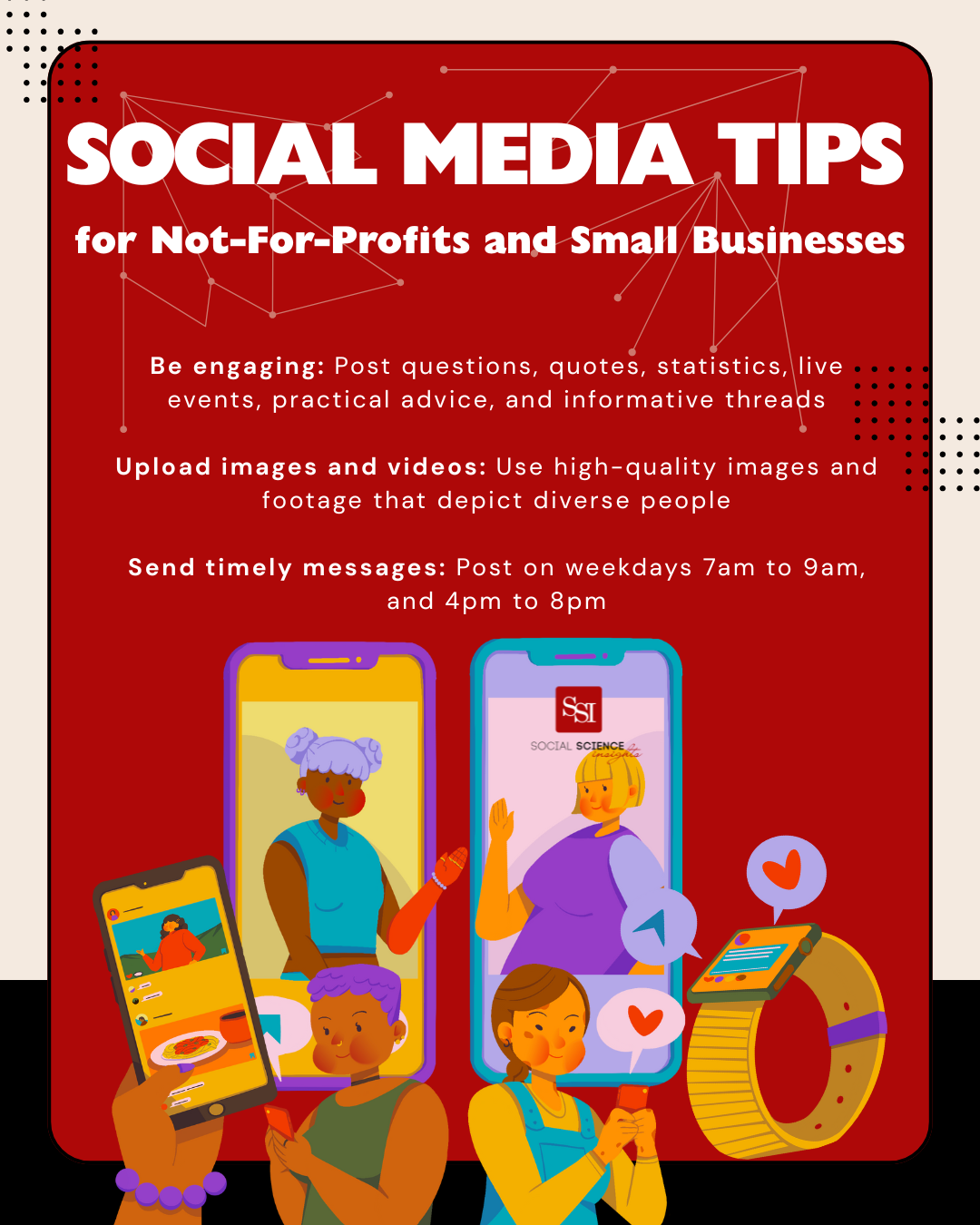
Images and infographics


Thread
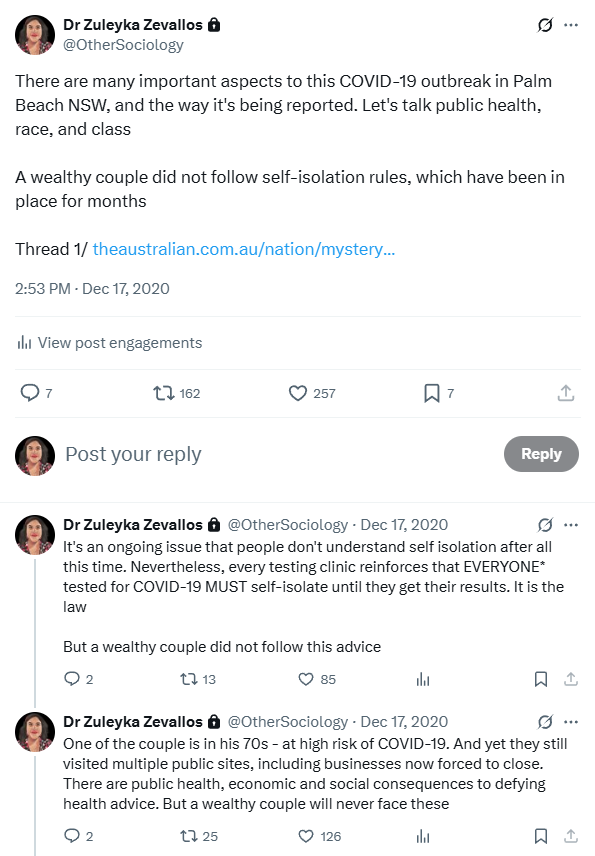
Facts and statistics


Live events


Quotes
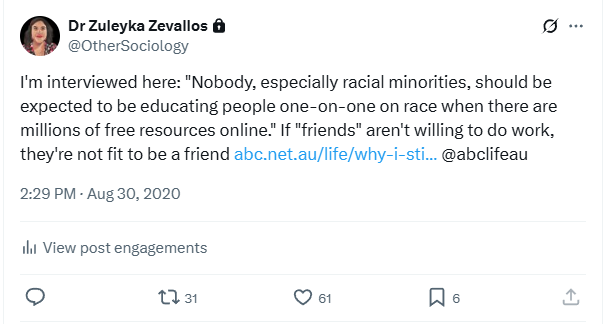
 Social Science Insights