

Our team had our offsite planning day. I reflect over the discussions of the day and an example of behavioural science research in action.
We workshopped our ‘core values,’ and how we see these as observed behaviours in our team. We revised our mission statement and unique value proposition.
We discussed our future direction under possible policy change, risks and mitigations, and we reflected on our achievements to date.
I worked on a scaling plan, which is the way in which we encourage that policymakers use our research outcomes in their daily work, and in new areas.
We ended by consolidating actions, including updating our scientific methodology for our randomised control trials.

We noted these water bottles provided by the venue need behavioural science cues – on close inspection, they’re labelled differently but the labels are visually too similar!
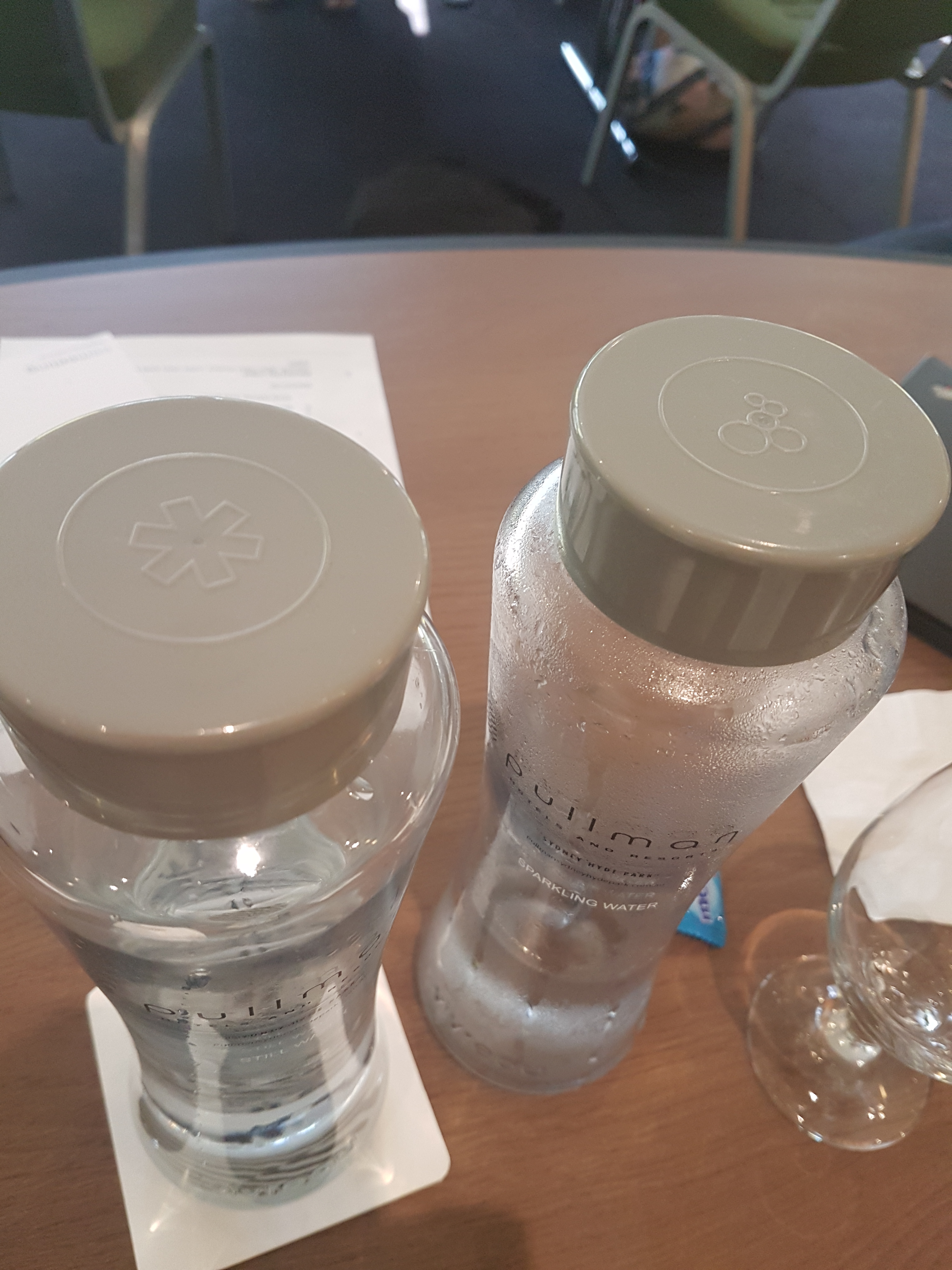
People often operate on biased assumptions, especially when we make automatic everyday decisions, such as pouring water for a colleague in the middle of a workshop. Presuming the seemingly identical water bottles are both tap water, based on the container and experience (all other bottles we poured throughout the day were still water), we realised too late one bottle was sparkling water.
The psychology concept of salience highlights the importance of using distinctive colours or design to focus attention. Here, that might mean different shaped water bottles, or different colours. The labels on the bottles are not distinct enough.
This is a tiny application, but other examples of the need for salience to shift behaviour include everything from road signs that drivers would otherwise ignore due to design, colourful call to action buttons to bring attention to important decisions on websites, or using icons and less text on a tax reminder notice, to encourage people to pay their taxes on time.
 Social Science Insights