
Psychology of Stress
A third of adults experience physical problems as a result of stress and a further 33% say stress negatively impacts their mental health.
Continue reading “Psychology of Stress”
A third of adults experience physical problems as a result of stress and a further 33% say stress negatively impacts their mental health.
Continue reading “Psychology of Stress”
The social science quote of the week is about building more tolerant and just societies. It’s also the last post for 2014!
Continue reading “Social Science Quote: Tolerance”
“Over the last decade an average of 27 million people have lost their homes to disaster each year, and in 2010 that number rose to 42 million. In an especially bad year of violent conflict, 2013 saw three times more … Continue reading 27 Million People Homeless Due to Disaster

This is a summary of my recent social media writing about race and identity in Australia and the USA. This included my live tweets during the Sydney hostage siege as well as the Ferguson and the #BlackLivesMatter anti-police violence protests following the death of Eric Garner.
Continue reading “Race and Identity”
“The country is governed for the richest, for the corporations, the bankers, the land speculators, and for the exploiters of labor. The majority of mankind are working people. So long as their fair demands – the ownership and control of their livelihoods – are set at naught, we can have neither men’s rights nor women’s rights. The majority of mankind is ground down by industrial oppression in order that the small remnant may live in ease.” Continue reading Governed for the Richest

Music in the Key of Social Science: Stevie Wonder – Big Brother
Continue reading Music in the Key of Social Science: Stevie Wonder – Big Brother

Jacob Morgan, author of “The Collaborative Organisation,” says that positive social impact is central to teamwork.
Continue reading “Social Science Quote of the Week: Principle of Collaboration”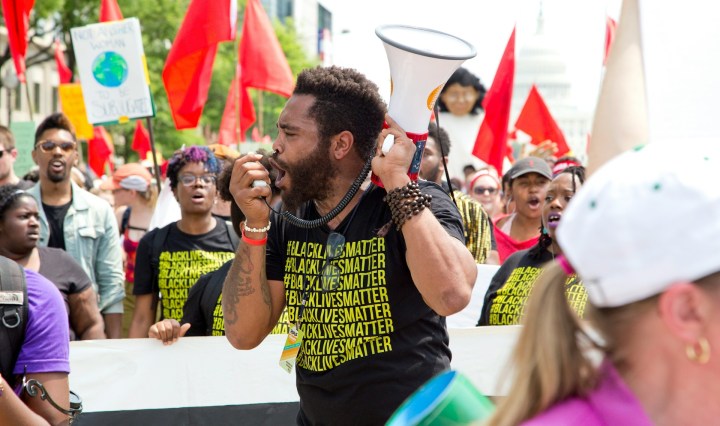
Read a wonderful essay by Professor Faye V. Harrison on the anthropological connections between the Black Lives Matter movement in the USA, to racial profiling in Brazil, and the murders of students in Mexico.
Continue reading “Anthropology of Social Death”
I recently wrote about how social science supports local governments to improve public health, through research and community consultation. Social scientists work to address policy gaps, we use science theories and methods to better target community services, and we ensure that health programs are socially inclusive. Here, I want to address how this public health model is relevant to workplace health. I’ll start by briefly showing why and how public health is important.
Continue reading “Work Life Balance and Public Health”
This week’s Social Science Quote comes from human rights activist, Hina Jilani. Continue reading Social Science Quote of the Week: Human Rights
 Social Science Insights