
Enhancing Recruitment of Women
Learn about how applied social science was used in a state project to increase the number of girls and women in trades.
Continue reading “Enhancing Recruitment of Women”
Learn about how applied social science was used in a state project to increase the number of girls and women in trades.
Continue reading “Enhancing Recruitment of Women”
A project exploring the recruitment experiences of people with disability led to a trial that significantly increased disability awareness training. Here are the lessons that might help other organisations seeking to enhance diversity and inclusion initiatives.
Continue reading “Improving Diversity and Inclusion”
Social science enhances how people respond to cyber security threats, by helping individuals overcome the biases exploited in cyber attacks. A novel approach to cyber security training increases staff self-efficacy when responding to malicious messages.
Continue reading “Boosting Cyber Security”
Most public health programs focus on educating the public, but this doesn’t always lead to behavioural change. In order to encourage change, this information should focus on short, clear messaging about what people need to do on the spot (call to action).
Continue reading “Public Health Compliance”
Organisations have administrative hurdles and inadequate support that negatively impact the recruitment, career progression, and retention of people with disability.* This post covers three sets of findings. First, how to increase professional development opportunities for staff with disability. Second, how to ensure managers have better resources to facilitate disability inclusion and improve workplace adjustments. Third, recommendations on how to improve systemic problems.
Continue reading “Recruitment and Retention of People With Disability”
Employers can reduce the number of people dropping-out of vocational training by encouraging students to proactively seek help when they start struggling. Simple but effective communication with practical advice, sent at optimum times, is key.
Continue reading “Increasing Take-Up of Training Services”
A peer-group program encouraged more student teachers to take up their professional placements in rural and remote schools. This post reflects on the project management lessons that would help organisations to attract professionals into regional jobs.
Continue reading “Recruiting Teachers Into Regional Schools”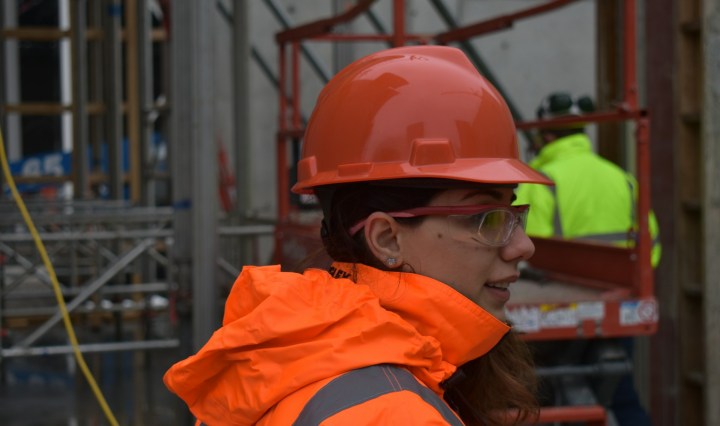
Our research shows that apprentices who cancel their employment contracts do so because they lack support at work. They are subjected to tough working conditions for little pay. They are given menial, repetitive tasks. They work long hours. They receive little guidance about their progress on the job. How can behavioural science help?
Continue reading “Supporting Employers and Apprentices”
This social science project identified what stops people from voluntarily signing up to free rehabilitation programs. These results may help other community programs to improve their services.
Continue reading “Redesigning Programs”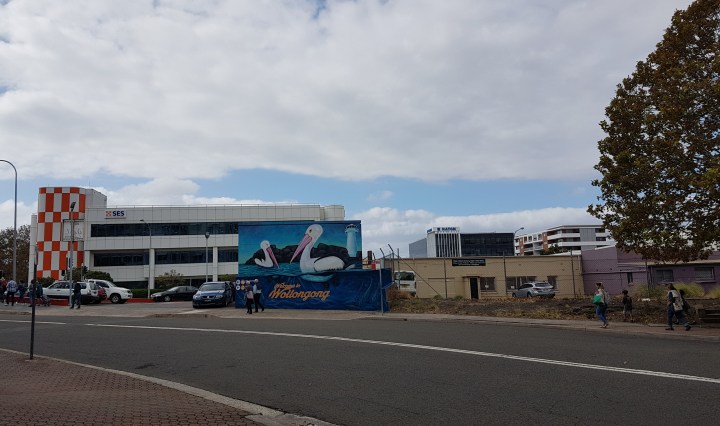
Behavioural science can help to address emergency decision-making and reduce fatalities in the community. We conducted a masterclass with the New South Wales State Emergency Service (NSW SES) to look at the issue of driving through floodwater.*
Continue reading “Emergency Decision-Making” Social Science Insights