
Evidence-Based Social Policy
Six “What Works” research centres in the UK are promoting evidence-based social policy. This means they carry out research to provide practical solutions to governments.
Continue reading “Evidence-Based Social Policy”
Six “What Works” research centres in the UK are promoting evidence-based social policy. This means they carry out research to provide practical solutions to governments.
Continue reading “Evidence-Based Social Policy”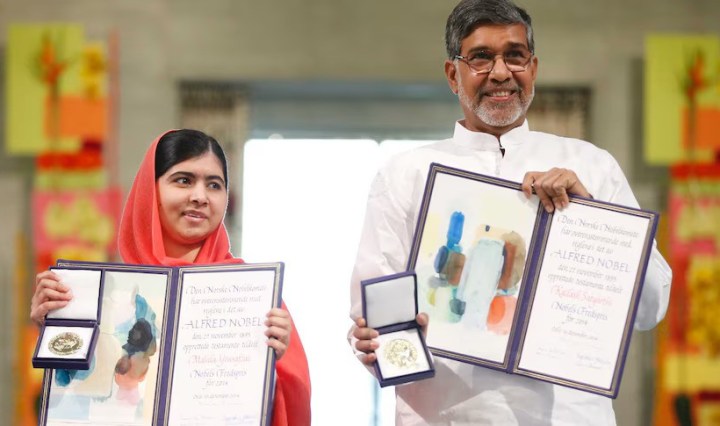
Malala Yousafzai and children’s right activist Kailash Satyarthi were awarded the 2014 Nobel Peace Prize yesterday.
Continue reading Malala Yousafzai and Kailash Satyarthi Awarded the 2014 Nobel Peace Prize

Sociologist Nathan Jurgenson argues that social media should be fluid, rather than having users choose which parts of themselves to permanently put on display.
Continue reading “Social Media and “The Liquid Self””
In a 2012 national survey of over 2,000 Australians, a team of sociologists found that 95% of people believe that being kind to one another is highly important. A slightly higher percentage of people said they saw themselves as a kind person (97%) and most said they performed an act of kindness at least weekly (90%). Most say that Australian people are kind (82%).
Continue reading “Kindness and the Ethic of Care”
Social scientists show how social work students might use social media. Continue reading Social Work Students and Social Media

Child psychologist, Tim Murphy, tells USA Today:
Continue reading ““Mental Health is a Separate but Unequal System””“The federal government has set so many barriers to getting care, which they have done with no other type of illness, and it is wrong. There is no other area of medicine where the government is the source of the stigma.”

Economics study finds people in North India lack sanitation.
Continue reading Cultural Attitudes and Public Health
Noam Chomsky discusses the roles of the state and the mass media. Continue reading Noam Chomsky on the State and Mass Media

In a poor example of social science journalism, the Washington Post ran an irresponsible article by a sociologist who used invalid statistics to argue women who are married are more protected from domestic abuse. International social science studies show this is not the case.
Continue reading “Changing Public Stories About Domestic Violence”
Social science studies demonstrate ongoing sexism in the reporting of scientific findings and issues.
Continue reading Bad Social Science News
 Social Science Insights