A young man looks out from behind leaves

Health and Social Inclusion

In a previous post, I explained how social science helps local governments implement public health planning and programs. This time, I’ll provide some specific examples about how social science addresses issues of social inclusion for vulnerable and marginalised community groups.

Continue reading “Health and Social Inclusion”
A Black woman and white man reach up to a wall filled with small plants

From Local to Global Health Connections

Health and wellbeing development trends go beyond individual factors, by connecting community trends to broader Australian and international social issues. This includes the services and facilities that people have access to, their experiences of social connectedness (which can impact knowledge and access to local services) and broader socio-economic patterns.

Continue reading “From Local to Global Health Connections”
Entrance to Chinatown, Melbourne

Social Science of Chinatown

Whenever I go to Little Bourke Street, I think of geographer Kay Anderson’s research on Chinatown in Melbourne (she’s also done similar work in Vancouver).

Continue reading “Social Science of Chinatown”
People dance outdoors

Healthy Communities: Local Government Supporting Public Health

This is the first in a series of posts exploring how social science supports local governments in the provision of health policies and services. Continue reading “Healthy Communities: Local Government Supporting Public Health”

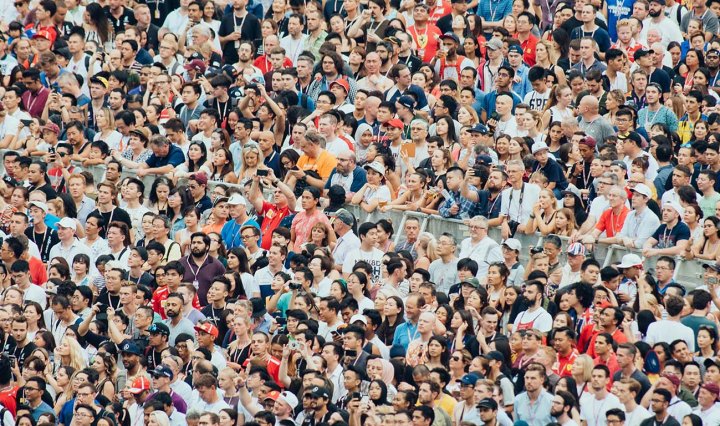
A packed crowd in a stadium

Social Science of Crowds

Social policy makers need ongoing research into the social behaviour of crowds. This is partly about urban planning, such as management of landscapes, improving infrastructure, decreasing traffic congestion and so on. Governments also need to understand crowd behaviour because local communities need to improve social service delivery.

Continue reading “Social Science of Crowds”