Encouraging Referrals

This post provides tips for improving public health communications. I show examples from studies that encouraged doctors to comply with health guidelines. I discuss a case study of a health organisation that sought to increase patient referrals to a free treatment program.

Continue reading “Encouraging Referrals”
Orange wall with orange megaphone

How to Communicate Effectively for Behavioural Change

Usually, when we create communications in Western societies, we’re used to telling a story. For example, emails usually follow a narrative format: an introduction to the organisation, followed by information about a project, background to the issue, further information about current objectives, and we end with our request. Evidence from behavioural science shows this format, while highly familiar, rarely shifts behaviour. This post provides tips for improving communications.

Continue reading “How to Communicate Effectively for Behavioural Change”
@ symbol against a plain background

Writing an Executive Email

I drafted the email it’s going up to our executives seeking endorsement of our latest randomised control trial. It’s one of many steps that we still need to take before we can proceed and it’ll probably be two months before we get secretary sign off (the final approval before we can begin preparing to go into the field).

Continue reading “Writing an Executive Email”
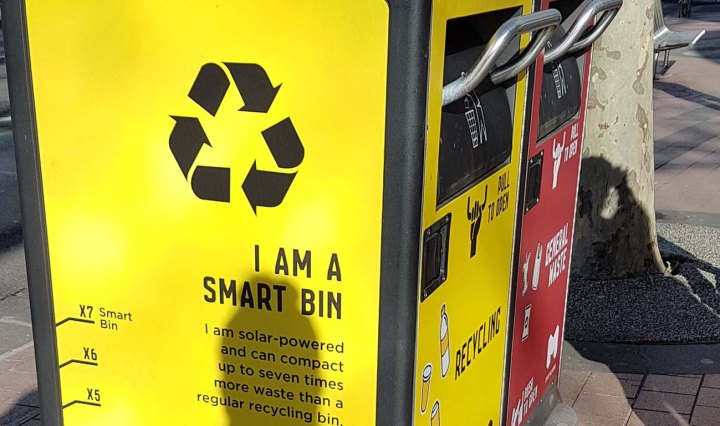
Yellow smart bin in Melbourne. Writing on the side says 'I am a smart bin'

Behavioural Science of a Smart Bin

Research shows many people have trouble noticing rubbish, even when it is prominent. Convenience of public bins, as well as reminding people about social norms, public funding , and novelty of design decreases littering.

Continue reading “Behavioural Science of a Smart Bin”
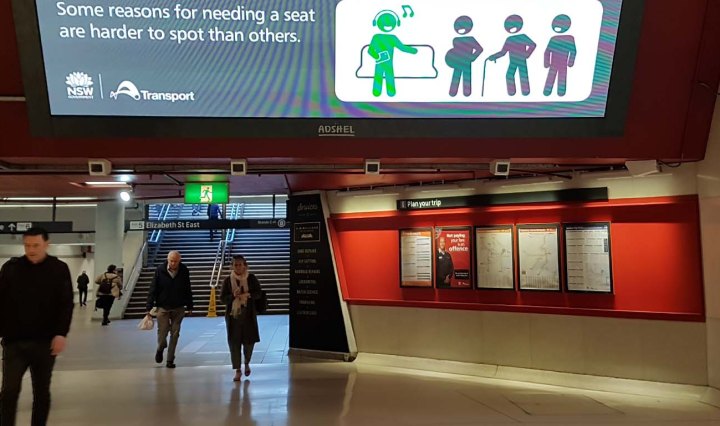
People walking in Martin Place station underground. A large monitor shows an ad with stick figure people: one is green, seated, and listening and singing to their music; the other figures are black - one is pregnant, the other uses a walking stick, and the other stands

Using social norms on public transport

Below is an example of how social norms can encourage a change toward a desired behaviour. A sign at Martin Place station, in Sydney, reminds people: ‘Some reasons for needing a seat are harder to spot than others.’ This is known as behavioural insights – the use of behavioural and social sciences like psychology, economics, anthropology and sociology for social policy and services.

Continue reading “Using social norms on public transport”

Spillover Effect in the Real World

On this beautiful morning a few weeks back, I presented our team’s study on vocational training to the public sector. I used a fun example of Star Wars characters to illustrate our data on the importance of communicating learning objectives between teachers, employers and students.

Continue reading “Spillover Effect in the Real World”

International Conference Centre ICC Darling Harbour, Sydney. Tall buildings along the water and a huge ferris wheel in the distance

Using Behavioural Science to Improve Education

First day of the Behavioural Exchange conference! My favourite session was on using behavioural science to improve educational outcomes of disadvantaged youth.

Continue reading “Using Behavioural Science to Improve Education”
Chess board and timer on a table

Gaming the Ice Breaker

Our team went to an external event to socialise with colleagues from a company who are frequent collaborators. Most people had not yet met one another. We were put into groups with a mix of four people from the two organisations. This is the first time I’ve seen an ice breaker turned into a competition. It led to mixed results.

Continue reading “Gaming the Ice Breaker”
A young man is using a saw while an older man works in the background

Strengthening Education and Training

Our team ran a randomised control trial to increase the number of classes that apprentices and trainees (‘learners’) attend. We significantly increased course attendance by sending employers a text message detailing what their learners are studying at their vocational training organisation (TAFE).

Continue reading “Strengthening Education and Training”