Skip to content

Social Science Insights

Social Science for policy, corporate change, and social good

  • Social Policy
  • Business
  • Social Media
  • What is Social Science?
    • Social Science in Action
    • Day in the Life of an Applied Sociologist
    • Social Science Issues
    • Social Science Quotes
  • About
    • News and Events
    • Commenting Policy
    • Privacy Policy
  • Contact

Link in bio

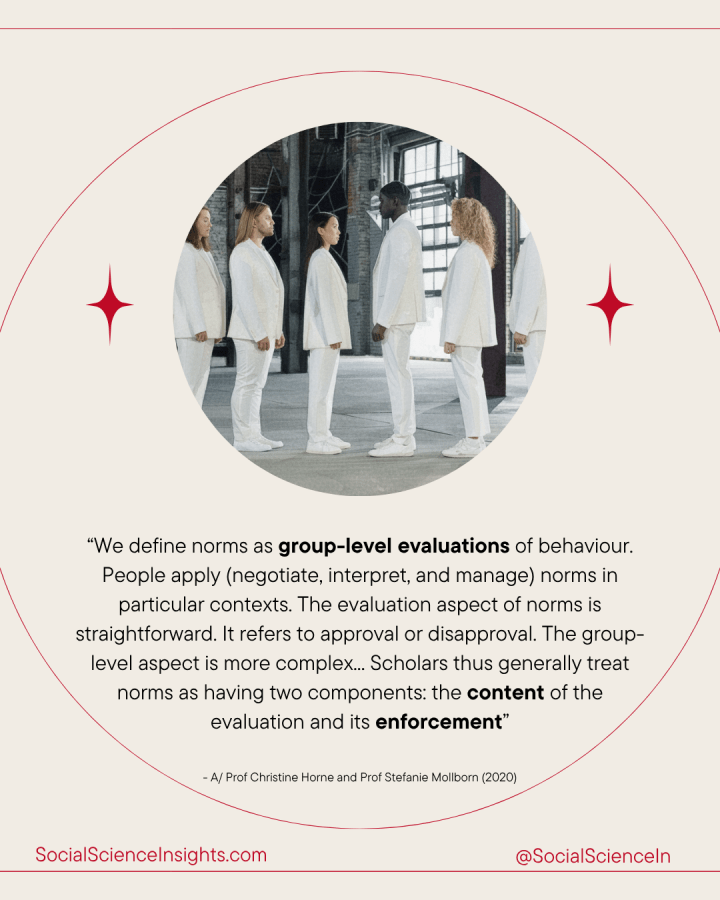
Diverse group of people dressed in identical white suits are lined up facing one another. Quote describes social norms as "group-level evaluations"
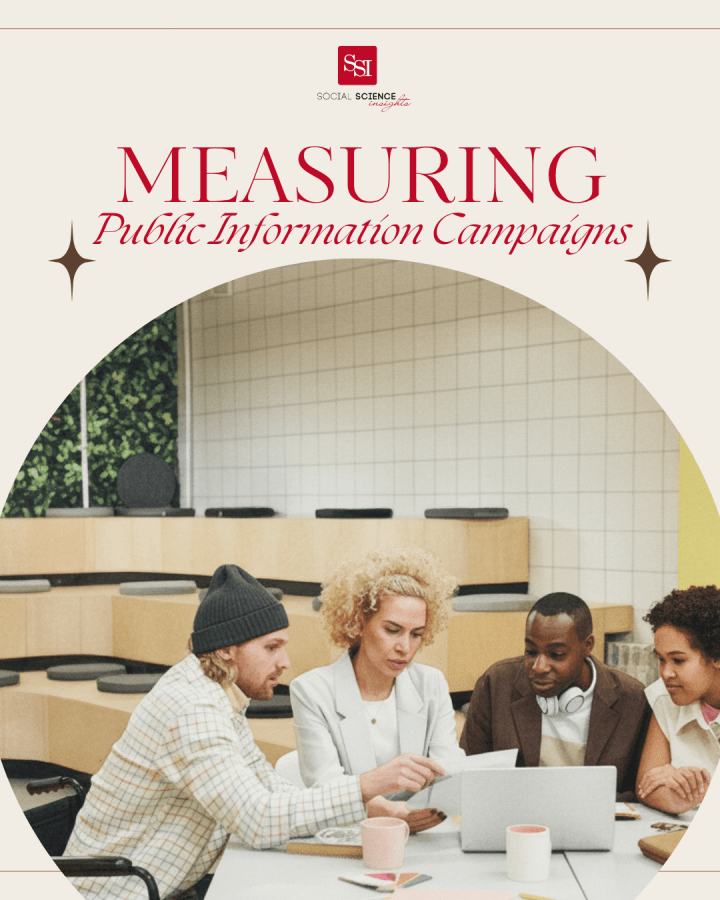
Four diverse young workers sit around a table looking at documents and a laptop. Title reads: Measuring Public Information Campaigns
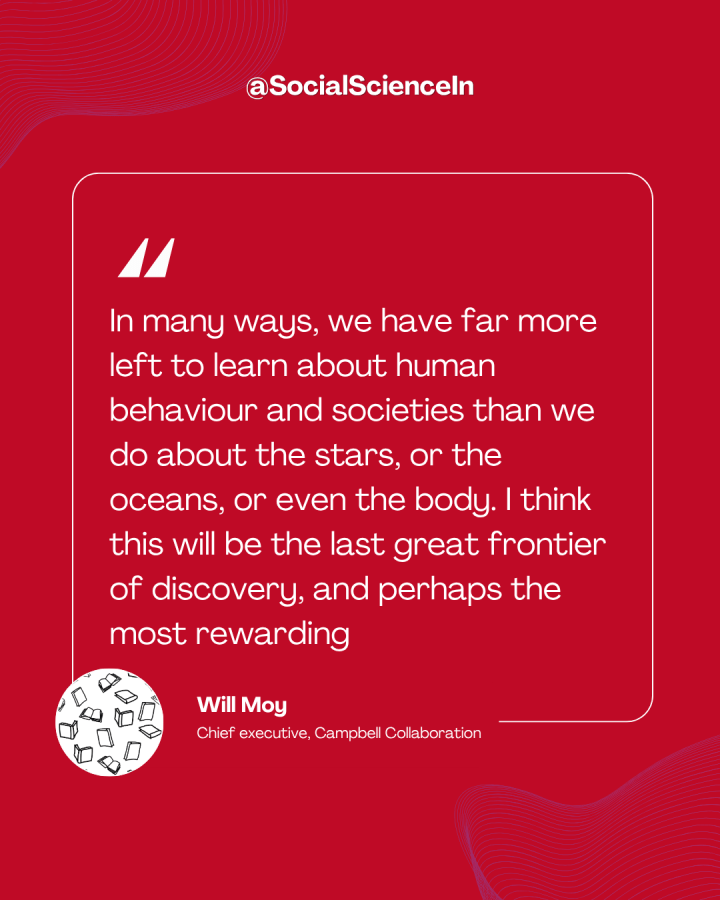
Quote against a red background, with flying books on the bottom left corner. Quote says: In many ways, we have far more left to learn about human behaviour and societies than we do about the stars, or the oceans, or even the body. I think this will be the last great frontier of discovery, and perhaps the most rewarding
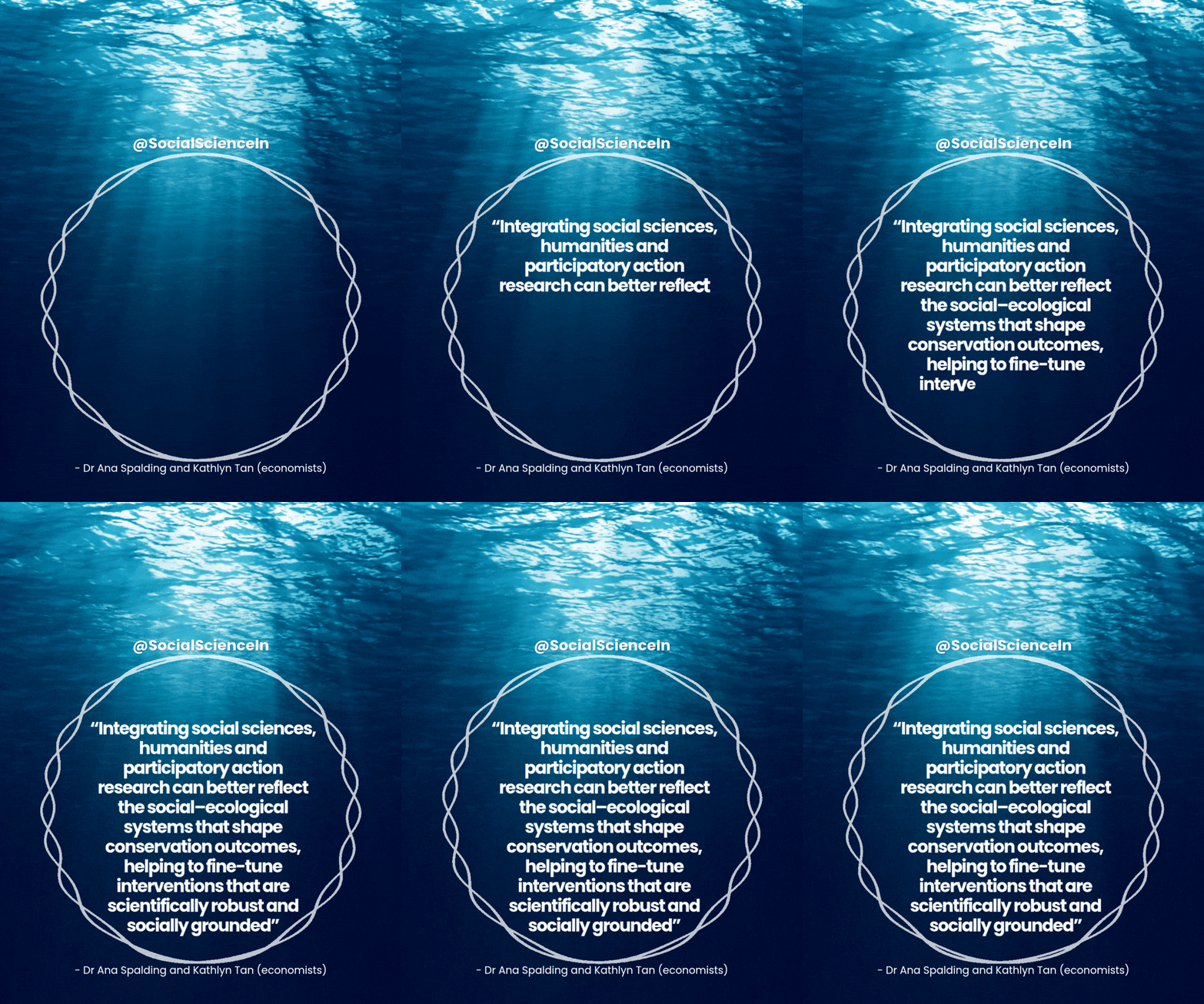
Blue underwater with the sun shining through the top. Text reads: Integrating social sciences, humanities and participatory action research can better reflect the social–ecological systems that shape conservation outcomes, helping to fine-tune interventions that are scientifically robust and socially grounded.
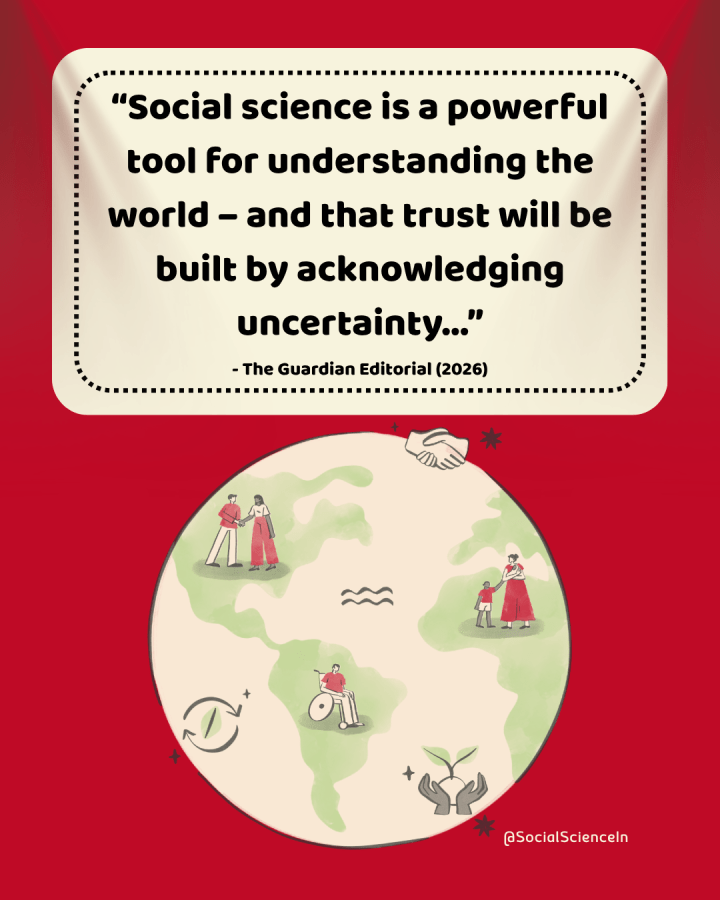
An illustration of the world, showing people shaking hands, sitting on a wheelchair, holding their children and plants. Quote says: “Social science is a powerful tool for understanding the world – and that trust will be built by acknowledging uncertainty...”
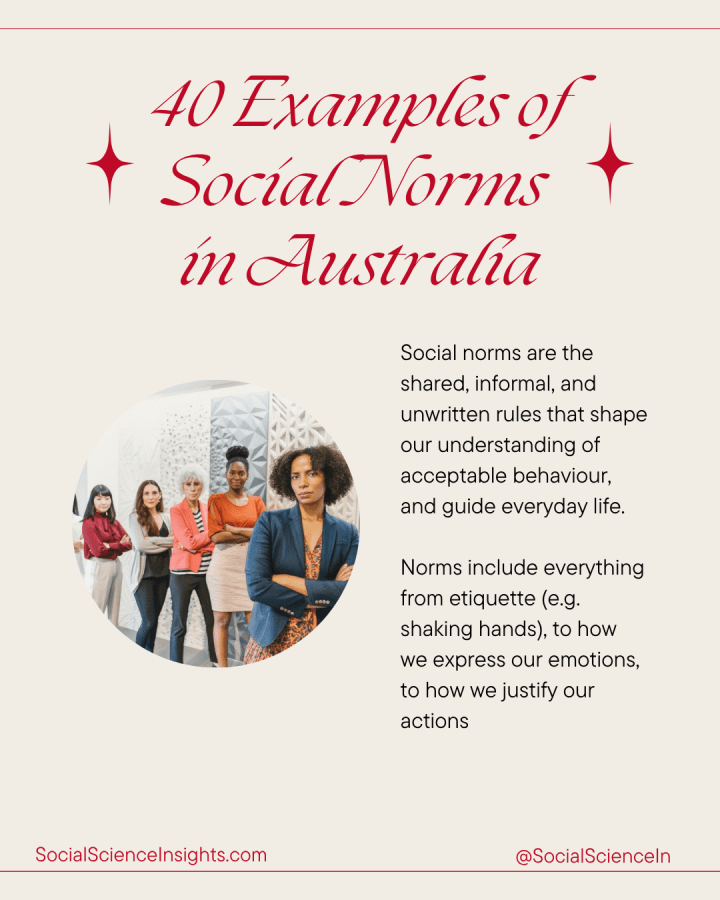
Infographic with a photo of a group of diverse women lined up in a row, with their arms folded. Text is displayed in four quadrants, showing behaviours under the headings: approval, disapproval, rewards, sanctions. Title reads: 40 Examples of Social Norms in Australia.
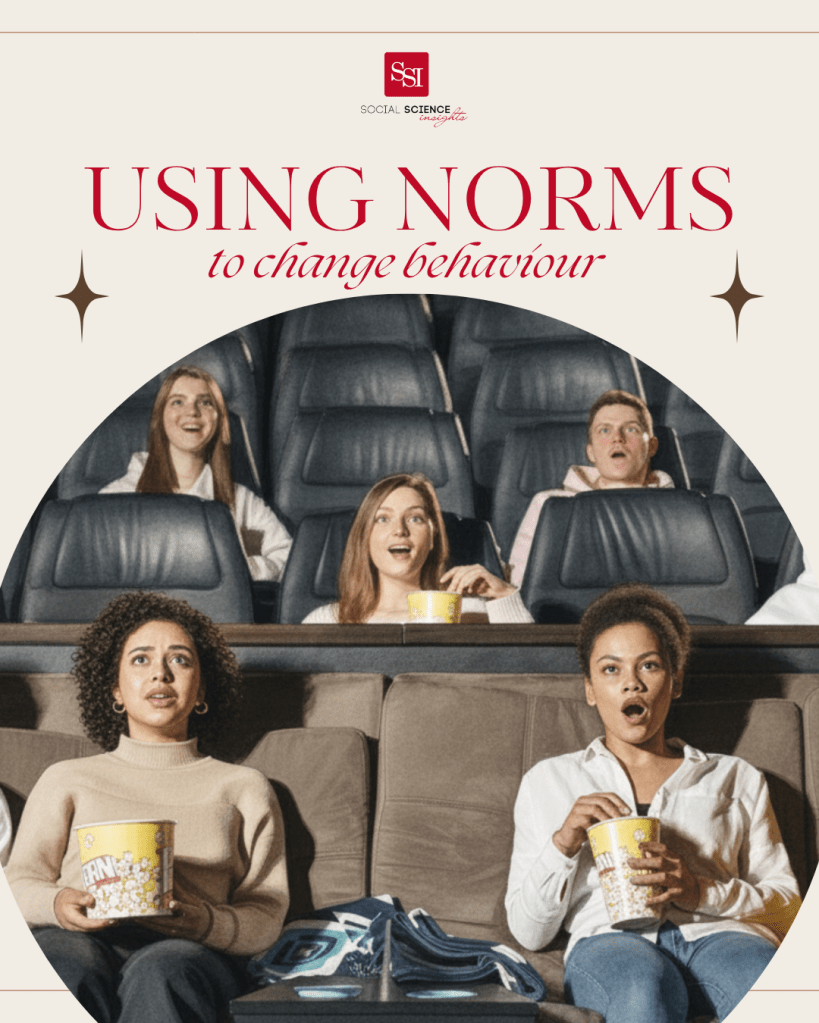
A diverse group of friends sit in a cinema eating popcorn, with shocked and amused expressions. Title reads: Using norms to change behaviour
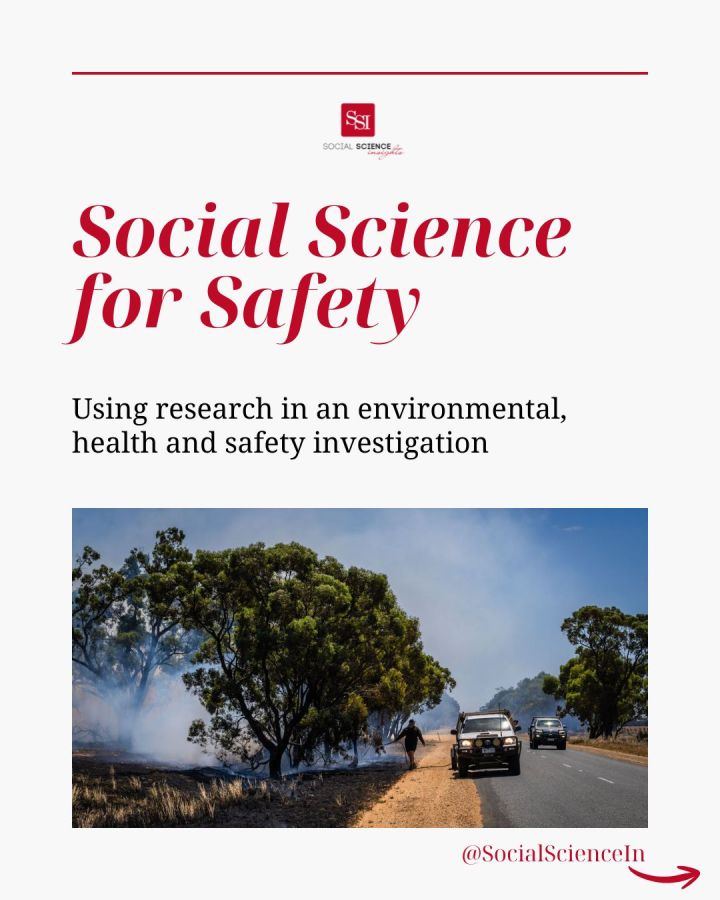
A man is parked on a covey road trying you put out a bush fire
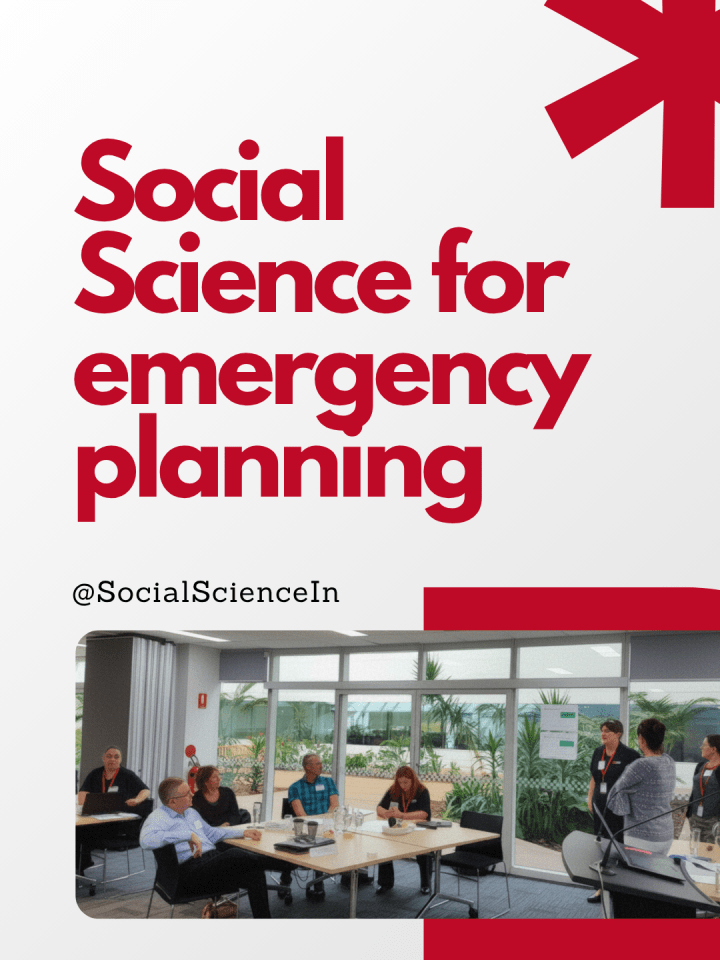
Two groups of white people in uniforms, sit and watch a presentation by another group, standing beside large posts taped to a window
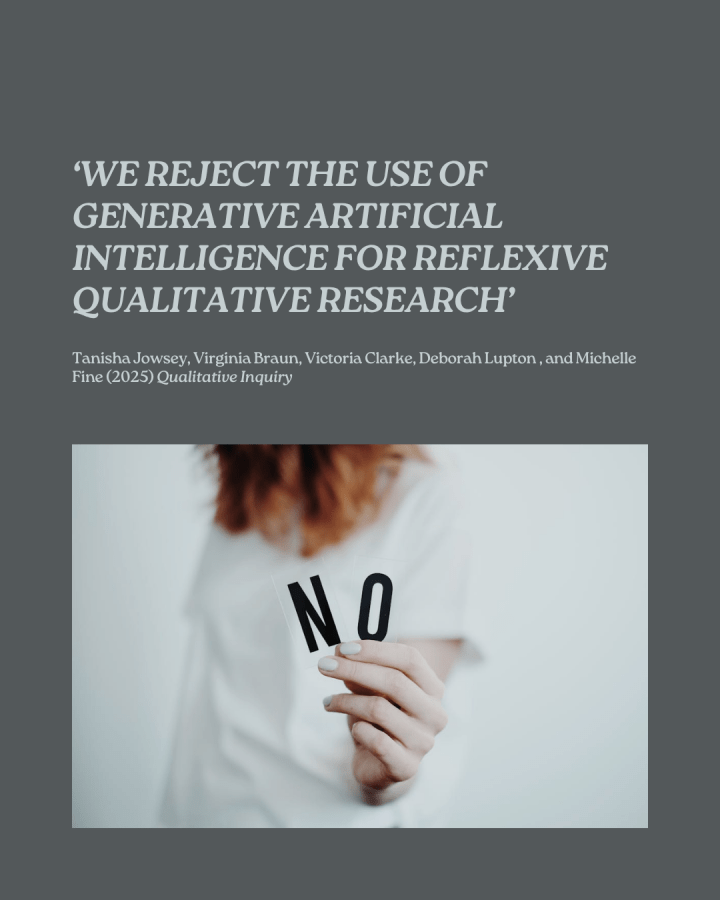
A white woman blurred in the background holds up two letters close to the camera that say: NO
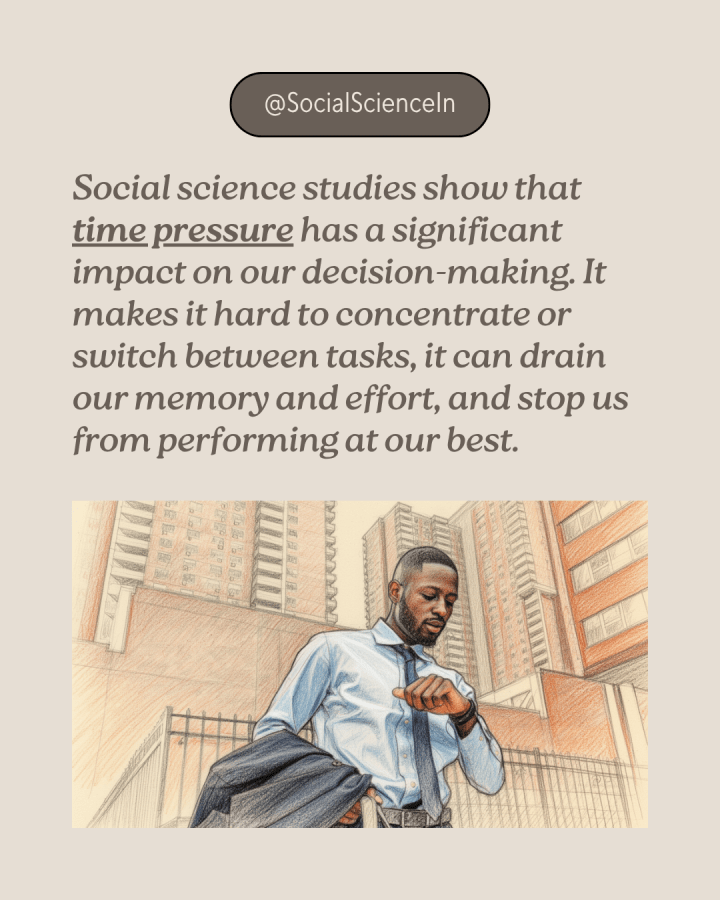
A Black business man holds his jacket over one arm, as looks at his watch. He is walking through a city
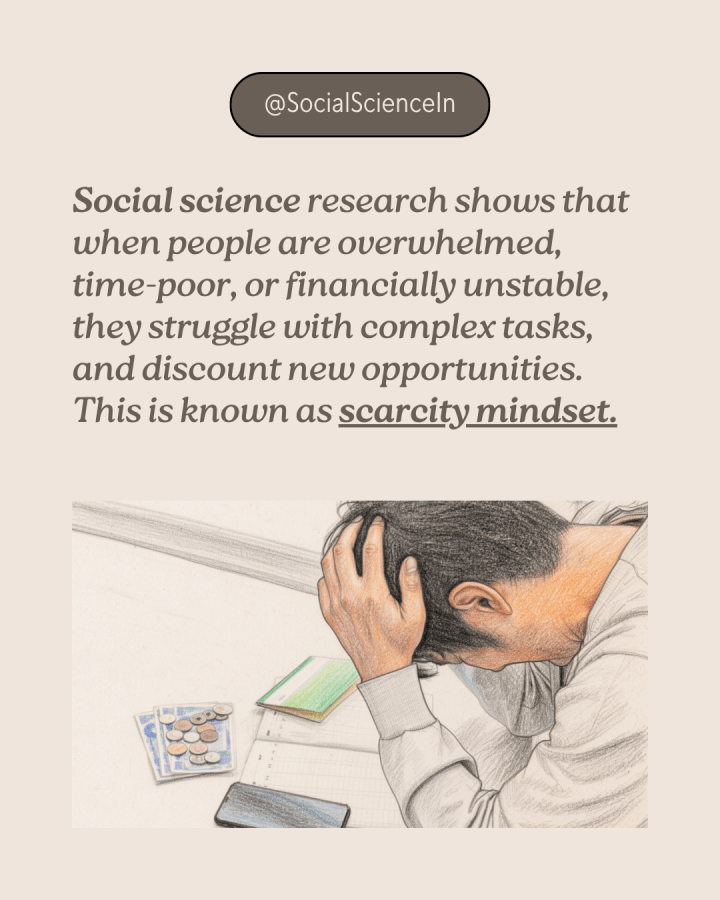
An Asian man has his head down, as he runs his fingers through his hair in exasperation. In front of him is his phone, banking book, plus a few coins and notes
A Black woman is seen from the side typing on a laptop
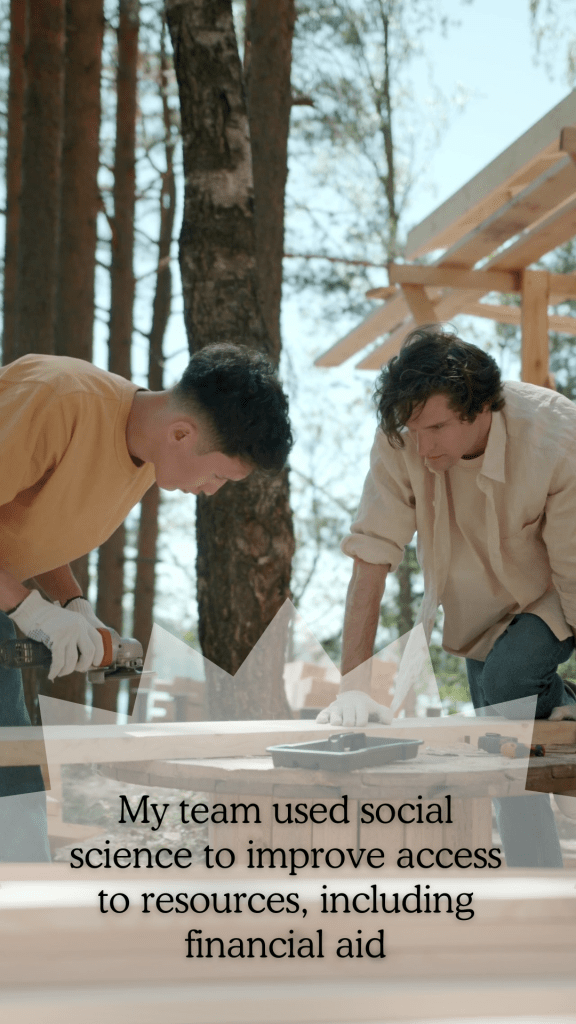
An Asian boy and a white boy are working with tools, cutting wood outdoors, with the frame of a house behind them
The white young agricultural workers in denim overalls look at a tablet and book in a barn
A white girl wearing a pink beanie and glasses looks intently at her mobile phone
A person works on a computer. Their monitor shows a mockup of a website. Title reads: 2 ways to improve forms and webpages
Young Black woman scrolling on her phone. Title reads: Designing Effective Forms and Webpages
People outdoors and at work look at their phones and documents. Five steps are identifying the problem, evaluation, analysis, solution, and testing
A Latin American woman types on a keyboard

Share this:

  • Share on X (Opens in new window) X
  • Share on Facebook (Opens in new window) Facebook
  • Share on LinkedIn (Opens in new window) LinkedIn
  • Share on Tumblr (Opens in new window) Tumblr
  • Share on Pinterest (Opens in new window) Pinterest
  • Print (Opens in new window) Print
  • Email a link to a friend (Opens in new window) Email
  • Share on Reddit (Opens in new window) Reddit
Like Loading...

Social Science Insights © 2011 by Social Science Insights is licensed under CC BY-NC-ND 4.0

Instagram @SocialScienceIn

Professors Cary L. Cooper and Jonathan Michie argue that "to understand today’s world requires the social sciences.  As does effective intervention to shape our future." Writing for the Academy of Social Sciences UK, they show why we need evidence-based policy that draws on social science. Public campaigns often focus on negative emotions and social norms to encourage people to comply with rules and laws, but the outcome is not always measured. This can sometimes lead to inconclusive outcomes. For example, the 2021 Australian Government campaign, “Do the right thing” encourages the public to take care of our environment. While this campaign is iconic to multiple generations, there is little evidence to show this campaign alone has decreased littering. In fact, other studies find that concurrent strategies lead to reduced waste, such as community education on recycling alongside and providing recycling bin and kerbside collection service.
Many public information campaigns rely on social norms, but the behavioural impact of these advertisements are not always tested. This sometimes means that we don’t know if the messages are having a positive result. It might also lead to unintended outcomes. Will Moy, Chief executive for Campbell Collaboration, wrote one of the responses to an editorial by the Guardian, about the challenges of the replication crisis in social science. He argues we need better tools, technology, and data in order to make greater scientific progress and to improve government:
Writing for the World Economic Forum, Ana Spalding, Director of the Adrienne Arsht Community-Based Resilience Solutions Initiative, and Kathlyn Tan, Principal at Rumah Group, both economists, argue that "ocean science must expand its scope," by incorporating social science:
A series of studies released in April suggest around half of the published social science studies (49%) can’t be replicated. This is known as "the replication crisis." The latest research is part of a longitudinal project called Systematising Confidence in Open Research and Evidence (Score). It finds that recent papers and those which share open source data are more likely to be reproduced. 
Social norms are the shared, informal, and unwritten rules that shape our understanding of acceptable behaviour, and guide our everyday life. Norms include everything from etiquette (e.g. shaking hands), to how we express our emotions, to how we justify our actions. Social norms are the unwritten rules and assumptions that guide our behaviour. Norms tell us what is acceptable and unacceptable I led the research team in a State Inquiry. We examined compliance with environmental health and safety laws. We also evaluated decisions, guidelines, and actions over the past 30 years.
  • Instagram
  • BlueSky
Blog at WordPress.com.
  • Subscribe Subscribed
    • Social Science Insights
    • Already have a WordPress.com account? Log in now.
    • Social Science Insights
    • Subscribe Subscribed
    • Sign up
    • Log in
    • Copy shortlink
    • Report this content
    • View post in Reader
    • Manage subscriptions
    • Collapse this bar

Loading Comments...

    %d