
Psychology of Stress
A third of adults experience physical problems as a result of stress and a further 33% say stress negatively impacts their mental health.
Continue reading “Psychology of Stress”
A third of adults experience physical problems as a result of stress and a further 33% say stress negatively impacts their mental health.
Continue reading “Psychology of Stress”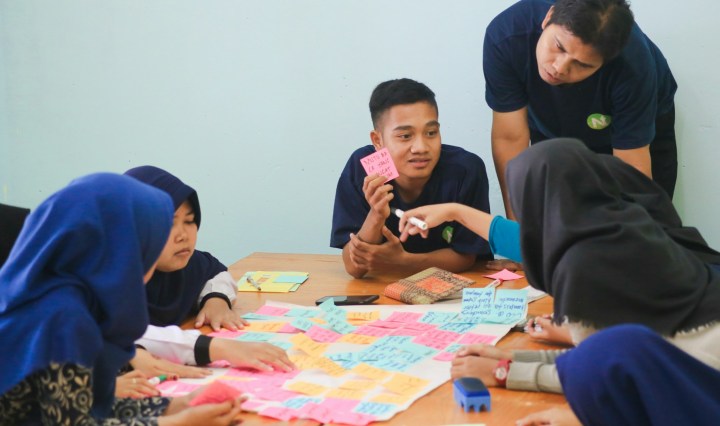
Professor of sociology, Howard E. Aldrich, argues that we do social science a disservice by positioning qualitative research (data using words, such as interviews) as having less prestige than quantitative research.
Continue reading “The Public Value of Qualitative Research”You can never have enough friends, right? Not necessarily, according to the social brain hypothesis! Continue reading Neuroscience of Friendships

A study in the British Journal of Social Psychology finds that “tweeting about sexism may serve as a collective action that can enhance women’s wellbeing.”
Continue reading “Using Twitter to Combat Sexism”
There was a lot of talk about the impact of the Sony Hacks on the company and its affiliated celebrities.
Continue reading “Social Impact of the Sony Hacks”
How much do you know about what social workers do?
Continue reading “Social Workers”
Depression is an important social issue and it impacts workplaces. Your business should have a strong mental health program that your employees understand well and know how to access.
Continue reading “Mental Health at Work”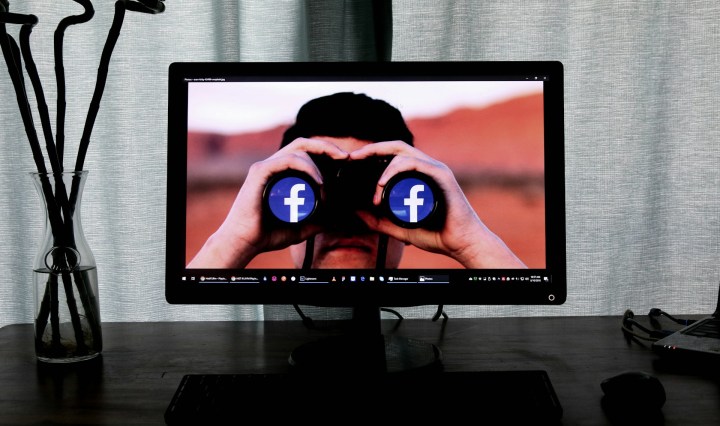
Research shows that infrequent users who read Facebook posts and clicked on photos but did not otherwise interact (“passive users”) are also more likely to report feeling unhappy.
Continue reading “Passive Facebook Use and Unhappiness”
Privacy advocacy groups are raising issues about third party apps getting access to your social media photos.
Continue reading “Privacy and Use of Social Media Photos”
2.5 million Australians live below the internationally accepted poverty line. Of these people 61% are unemployed and 33% are working poor (not earning enough income through their jobs).
Continue reading “Working Poor” Social Science Insights